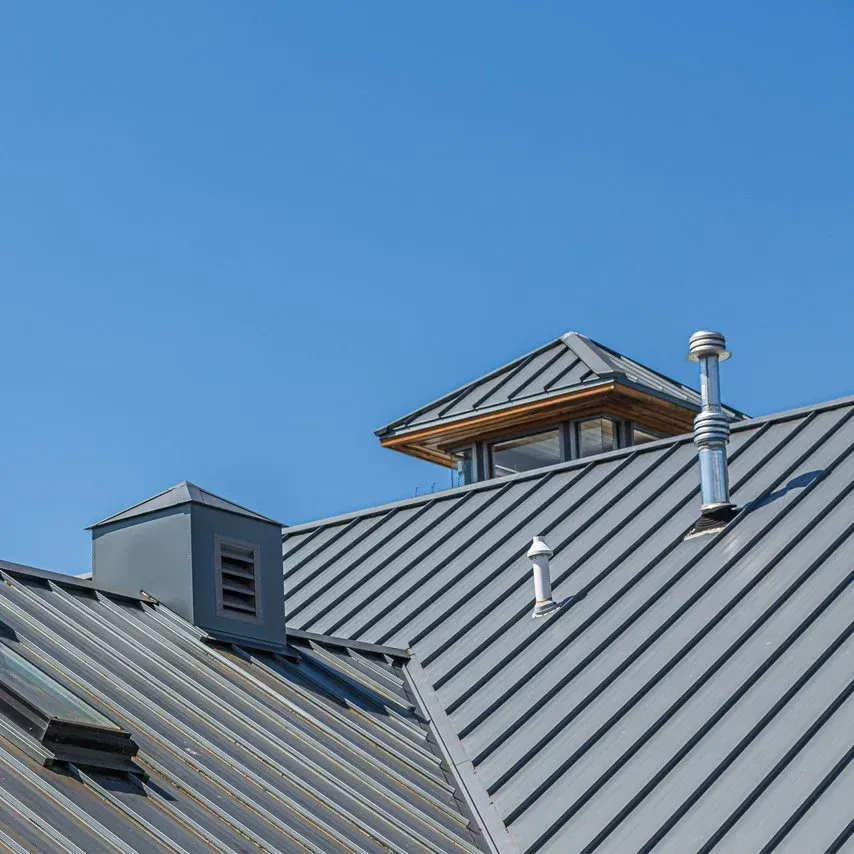
Are Metal Roofs a Good Option in Florida? Pros & Cons
Choosing the right roofing for your Florida home is crucial—especially when you consider the state’s unpredictable weather and intense storms. One option many homeowners are considering is metal roofing. But is it really the best choice for your property?
Metal roofs are made from durable materials designed to withstand high winds, heavy rain, and even hurricanes, making them a solid choice for storm-prone areas like Florida. They offer enhanced protection, longer lifespan, and energy efficiency compared to traditional roofing materials.
At G&R Windows, Doors & Roofing, we specialize in providing high-quality metal roofing solutions tailored to Florida’s unique climate. In this blog, we’ll explore the pros and cons of metal roofs, helping you decide if they’re the right fit for your home. From cost considerations to performance benefits, we’ll cover everything you need to know.
What Makes Metal Roofs a Popular Choice in Florida?
Metal roofs are becoming an increasingly popular choice for homeowners in Florida, and for good reason. The state’s storm-prone climate and year-round high temperatures make it essential to have roofing that can withstand extreme weather while offering energy efficiency. Metal roofing is especially favored for its durability and ability to handle Florida's intense heat, heavy rainfall, and frequent hurricanes.
Florida homeowners typically choose from several types of metal roofing materials, including:
Steel: Known for its strength and cost-effectiveness, steel roofing is a top choice.
Aluminum: Highly resistant to corrosion, making it ideal for coastal areas with salt exposure.
Copper: Premium material that offers aesthetic appeal and durability, though at a higher cost.
These materials provide long-lasting performance, making them well-suited to the challenges of Florida’s climate.
Durability and Weather Resistance
One of the standout features of metal roofs is their exceptional weather resistance. Florida, known for its hurricane season, experiences winds that can exceed 150 mph. Metal roofs are engineered to withstand such high winds without losing their integrity. Unlike traditional asphalt shingles that can tear off, metal roofing materials are designed to stay in place during severe storms, providing reliable protection against harsh conditions.
Additionally, metal roofs can handle the heavy rainfall and tropical storms common in Florida. Their interlocking panels and smooth surfaces allow water to flow off quickly, preventing leaks and water damage. Metal roofs are also fire-resistant, offering an extra layer of security in areas prone to wildfires or lightning strikes.
Longevity in Florida’s Climate
In Florida’s challenging climate, metal roofs offer an impressive lifespan. These roofs can last 50 years or more, which is significantly longer than traditional asphalt shingles, which generally need replacing after 15 to 20 years. The ability of metal roofs to resist rust, corrosion, and damage from intense UV rays makes them especially suitable for Florida homes.
The longevity of metal roofs is due to the materials’ resilience against saltwater, intense sun exposure, and extreme weather, all of which can cause wear and tear on other roofing types. Over time, metal roofing’s durability translates to fewer repairs and replacements, which can save homeowners substantial costs in the long run.
Benefits of Metal Roofs in Florida
Superior Wind Resistance
Metal roofs are known for their exceptional wind resistance, making them particularly suitable for Florida, which is frequently hit by hurricanes. Metal roofing systems are designed to withstand wind speeds of up to 150 mph, making them far more durable than traditional roofing options. This is especially important during Florida’s hurricane season when roofs are at risk of being torn off by strong winds.
The interlocking panels of metal roofs provide a tight seal that prevents wind from getting underneath and lifting the roof. This ensures that homes remain secure, even in the most severe weather conditions. Additionally, many metal roofs are classified as Class 4 impact-resistant, offering superior protection against debris during storms.
Energy Efficiency
Florida's sweltering heat can significantly increase cooling costs for homeowners, making energy efficiency a priority. Metal roofs are highly reflective, meaning they bounce much of the sun’s heat away from the home, keeping the interior cooler. This can reduce the need for air conditioning, leading to lower energy bills.
The reflective properties of metal roofing are enhanced by special coatings, which also help prevent heat buildup. This makes metal roofing an excellent option for Florida's hot and humid climate, as it works to maintain a comfortable indoor temperature throughout the year. By improving energy efficiency, metal roofs not only save homeowners money but also reduce the overall environmental footprint.
Low Maintenance
Metal roofs require significantly less maintenance than traditional roofing options, which is a huge benefit for Florida homeowners. Asphalt shingles, for example, often require regular repairs and replacement due to damage from storms, UV rays, or mold growth. In contrast, metal roofs are resistant to the elements, requiring only occasional cleaning and inspections to ensure optimal performance.
Because metal roofs are less susceptible to cracking, warping, or rotting, they don’t need frequent repairs. This means less money spent on maintenance and fewer disruptions for homeowners. Additionally, metal roofs are impervious to mold, algae, and moss, which can be a common problem for other types of roofs in Florida’s humid environment.
Impact Resistance
In Florida, where severe storms and hurricanes are common, impact resistance is crucial for roof durability. Metal roofs are highly resistant to damage caused by flying debris, hail, or falling branches, which are frequent hazards during storms. Unlike asphalt shingles, which can easily crack or be blown off by high winds, metal roofing holds up to these forces with minimal damage.
Impact-resistant metal roofing is designed to endure the impact of flying objects without compromising the structure of the roof. This not only protects the home from leaks and water damage but also ensures that the roof remains intact, offering peace of mind during hurricane season. The durability of metal roofs makes them a wise investment for homeowners concerned about storm-related damage.
Pros and Cons of Metal Roofs in Florida
Pros
Long-lasting durability (40–70 years)
Superior storm resistance (withstands hurricanes and high winds)
Energy efficiency (reflects heat, lowering cooling costs)
Low maintenance (minimal repairs needed)
Impact resistance (resistant to flying debris)
Cons
Higher initial cost compared to asphalt shingles
Noise during rain or hail (can be mitigated with insulation)
Aesthetic preferences (may not appeal to everyone)
Metal Roof vs. Asphalt Shingles: Which is Better for Florida Homes?
Choosing the right roofing material for your Florida home is crucial due to the state’s extreme weather conditions. Key factors to consider include durability, storm resistance, energy efficiency, cost, and maintenance. Both metal roofs and asphalt shingles offer distinct advantages, and understanding these can help homeowners make the best choice.
Metal roofs are known for their long lifespan (40–70 years) and excellent storm resistance, especially in hurricanes and tropical storms. Their reflective properties also reduce cooling costs by reflecting heat.
Below is a comparison of the two options to help you decide which is best for your Florida home:
What Are the Best Metal Roof Options for Florida Homes?
Standing Seam Metal Roofs
Standing seam metal roofs are a popular choice for Florida homes due to their sleek, modern appearance and exceptional weather resistance. These roofs feature raised seams that interlock, creating a continuous, watertight surface that prevents leaks. This design helps ensure maximum protection against heavy rain and high winds, which are common in Florida’s stormy seasons.
In addition to their weather resistance, standing seam metal roofs are highly durable and can withstand extreme temperatures. Their reflective properties also help keep homes cooler, reducing the need for air conditioning in Florida’s hot climate. Available in various colors and finishes, standing seam metal roofs are a stylish, long-lasting option for homeowners who prioritize both aesthetics and functionality.
Corrugated Metal Roofs
Corrugated metal roofs offer an affordable and effective solution for Florida homeowners seeking durability and practicality. These roofs are made from galvanized steel or aluminum sheets that are corrugated (wavy) to provide added strength and flexibility. They are relatively easy to install and cost significantly less than standing seam metal roofs, making them an ideal option for budget-conscious homeowners.
Despite their lower cost, corrugated metal roofs still perform well in Florida’s climate, offering resistance to wind, rain, and even fire. They are lightweight, which makes them easier to install, and can last for several decades with proper maintenance. While the design is simpler than other metal roofing options, corrugated roofs remain highly durable and weather-resistant, making them a solid choice for many Florida homes.
Galvalume vs. Galvanized Steel
When choosing a metal roof for a Florida home, two of the most common materials are Galvalume and Galvanized Steel. Both materials offer durability and protection but differ in their composition and performance.
Galvalume: This material is a combination of zinc, aluminum, and silicone, providing excellent corrosion resistance, particularly in coastal Florida areas with high salt exposure. Galvalume is also more resistant to rust than galvanized steel, making it an ideal choice for homes near the ocean.
Galvanized Steel: Galvanized steel is coated with a layer of zinc, which protects it from corrosion. While it offers strong protection, it can be more susceptible to rust over time, especially in Florida’s humid, salty environment. However, galvanized steel is still durable and offers a cost-effective option for homeowners who need a strong, reliable roof.
Both materials provide excellent longevity, but Galvalume generally outperforms galvanized steel in terms of corrosion resistance, especially in Florida's coastal and humid areas.
Metal Roof Installation in Florida: What to Expect
When considering metal roof installation in Florida, it’s important to understand the steps involved and what to expect during the process. At G&R Windows, Doors & Roofing, we specialize in providing expert metal roof installations tailored to the unique needs of Florida homes. With years of experience in storm-prone areas, we ensure a seamless installation process that offers durability, energy efficiency, and long-term protection against the elements.
Choosing the Right Roofing Contractor
Selecting the right roofing contractor is crucial for a successful metal roof installation. Look for a contractor with specialized experience in metal roofing and a deep understanding of Florida’s weather conditions. Our team is licensed, insured, and well-versed in local building codes and permits, providing peace of mind throughout the entire installation process.
Installation Timeline
The timeline for installing a metal roof can vary depending on the complexity of the project. For most homes, installation typically takes 3–5 days. Our experienced team ensures the process is efficient and minimally disruptive, getting your new roof secured and ready to withstand Florida’s harsh weather conditions.
Permits and Regulations
In Florida, metal roof installation requires adherence to strict local building codes to ensure safety and durability. These codes are particularly important in hurricane-prone areas. G&R Windows, Doors & Roofing handles all necessary permits and ensures full compliance with local regulations, so you don’t have to worry about navigating the paperwork yourself. Our experts ensure that your roof installation meets all safety standards for Florida’s high wind zones.
Conclusion
Metal roofs offer numerous benefits for Florida homeowners, including superior storm resistance, long-lasting durability, energy efficiency, and minimal maintenance. While the initial investment is higher than that of asphalt shingles, the long-term savings on repairs, energy bills, and insurance make metal roofing a smart choice for Florida’s harsh climate. Whether you choose standing seam, corrugated metal, or galvanized steel, each option provides reliable protection and value.
At G&R Windows, Doors & Roofing, we specialize in high-quality metal roofing solutions tailored to the unique needs of Florida homes. With our expertise in metal roof installation, we ensure your roof is both durable and energy-efficient. Contact us for a consultation to learn more about how we can help protect your home for years to come.
FAQ
Q1: Are metal roofs really worth the cost in Florida?
Answer: While metal roofs have a higher upfront cost compared to asphalt shingles, they offer significant long-term savings. Their durability and resistance to storm damage mean fewer repairs and replacements over time. Additionally, metal roofs help reduce energy bills by reflecting heat, making your home cooler and lowering air conditioning costs. Homeowners may also benefit from reduced insurance premiums due to the storm-resistant nature of metal roofs, ultimately offsetting the initial investment.
Q2: How long does a metal roof last in Florida?
Answer: Metal roofs are known for their exceptional longevity, often lasting 40–70 years, far outlasting traditional roofing materials like asphalt shingles, which generally last 15–20 years. In Florida’s challenging climate, which includes high humidity, salt exposure, and frequent storms, metal roofs hold up much better, providing long-term protection and minimizing replacement costs.
Q3: Do metal roofs require a lot of maintenance?
Answer: Metal roofs are relatively low-maintenance compared to other roofing materials. They are highly resistant to mold, algae, and decay, which are common issues in Florida's humid environment. However, periodic inspections are still recommended to ensure that no damage occurs from flying debris or wear over time. Keeping gutters clean and checking for loose fasteners will ensure your metal roof continues to perform optimally.
Q4: Can metal roofs handle Florida hurricanes?
Answer: Yes, metal roofs are specifically designed to withstand Florida's hurricane-force winds and flying debris. Many metal roofing systems are rated to endure winds of up to 150 mph, making them an excellent choice for homeowners in hurricane-prone areas. The interlocking panels of metal roofing systems create a strong, unified surface that resists wind uplift and provides superior storm protection compared to traditional roofing materials.
Q5: What are the downsides of metal roofs in Florida?
Answer: While metal roofs offer numerous benefits, they do have a few drawbacks. The higher upfront cost is one of the main concerns for homeowners, though the long-term savings often outweigh this. Additionally, noise can be an issue during heavy rain or hail, though this can be mitigated with proper insulation. Some homeowners may also find the aesthetic of metal roofs too industrial, though modern designs and a variety of colors can help address this concern.
