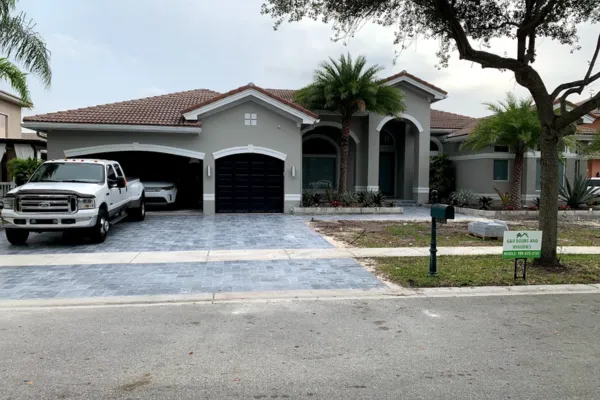
Best Hurricane-Proof Home Upgrades for Florida Homes
The best hurricane-resistant upgrades for Florida homes, in priority order:
Storm-rated roofing with proper deck attachment,
Impact windows,
Impact entry and patio doors
An impact-rated garage door
Drainage improvements
Ongoing maintenance
Together, these protect the roof and every opening, which is where storm damage usually starts.
Let's be honest about something first: no home is truly hurricane-proof. Anyone who tells you otherwise is selling, not advising. What the right upgrades do is change how your home performs when a storm arrives, and after years of installing hurricane protection across South Florida, we can tell you the difference between a prepared home and an unprepared one is enormous.
At G&R Doors, Windows & Roofing, we've spent more than 15 years helping homeowners in Hialeah and across Miami-Dade, Broward, and Palm Beach make their homes storm-ready. This is the upgrade list we'd give a neighbor, in the order we'd tell them to tackle it.
New Blog Post
Why the Roof and Openings Come First
Upgrade #4: The Impact-Rated Garage Door
Upgrade #5: Drainage and Water Management
Upgrade #6: Maintenance That Protects Everything Else
Permits, Paperwork, and the Insurance Question
Storm-Ready Priorities by Budget
If You Have a Mid-Range Budget
If You're Going for Full Protection
Preparation Beyond the Upgrades
What hurricane upgrades matter most for a Florida home?
Should I replace my roof before storm season?
Why the Roof and Openings Come First
Almost every serious hurricane loss follows the same script: either the roof gives way, or an opening fails and lets wind and water inside. Once wind enters a home, it pressurizes the structure from within and pushes upward on the roof. That's why the hurricane proof home upgrades Florida homeowners should prioritize all target the same two things: keeping the roof on and keeping the openings sealed.
Here's the full list at a glance:
Upgrade #1: Storm-Rated Roofing
If you can only make one major investment, make it the roof. It's the most consequential system on your home in a hurricane, and it's where we always start our assessments.
A storm-ready roof isn't just about the tile or shingle you see from the street. The performance lives in the layers underneath:
Roof-to-wall connections. Hurricane straps and clips tie the roof structure to the walls so wind can't lift it. On older South Florida homes, this is the first thing we check, because upgrading these connections during a re-roof is one of the highest-value moves available.
Deck attachment. How the plywood decking is nailed down determines whether the roof surface stays put in sustained wind.
Sealed underlayment. A secondary water barrier keeps rain out even if the outer covering takes damage.
Miami-Dade approved materials. In the High-Velocity Hurricane Zone, roofing products need Miami-Dade approval, the strictest standard in the country.
Whether you prefer tile, architectural shingle, or metal, our storm-proof roofing systems are built to withstand hurricane-force winds and installed to HVHZ requirements. If your roof is approaching the end of its life, replacing it before storm season, on your schedule, beats replacing it after a storm on the insurance company's schedule.
Upgrade #2: Impact Windows
Windows are the most numerous openings on your home, and standard glass is no match for wind-borne debris. Impact windows use laminated glass, two panes bonded to a tough interlayer, so even when something strikes hard enough to crack the glass, the window stays intact and keeps the building envelope sealed.
That sealed envelope is the whole game. It's not about the glass surviving pretty; it's about wind and rain staying outside.
The everyday benefits are what surprise our customers most. The same laminated glass that resists debris also cuts street noise noticeably, blocks nearly all UV transmission (your floors and furniture fade slower), and improves energy efficiency. And unlike shutters, there's nothing to install when a storm approaches and nothing blocking your light while you wait it out.
Every unit we manufacture carries Miami-Dade NOAs, and our impact windows in Hialeah come in single hung, casement, horizontal roller, and fixed architectural styles to match your home. Many homeowners phase them in, a side of the house at a time, which is a perfectly sound strategy as long as there's a plan to finish.
Upgrade #3: Impact Doors
Entry doors, sliding glass doors, and French doors are large openings with a lot of glass, which makes them both a vulnerability in storms and a target for break-ins. Impact doors solve both problems at once.
Like impact windows, they're built with laminated glass and reinforced frames tested to withstand debris strikes and pressure cycling. The security benefit is real: laminated impact glass resists forced entry far better than standard glass, so the same door protecting you in September is protecting you the other eleven months too.
Impact doors also carry the style weight of your home. Our impact doors in Hialeah include French, sliding glass, and bi-fold options, so upgrading protection doesn't mean downgrading looks.
One planning note: if insurance credits are part of your motivation, doors work together with windows and the garage door as a system. Which brings us to the upgrade almost everyone forgets.
Upgrade #4: The Impact-Rated Garage Door
Here's the pattern we've seen repeat after storm seasons across South Florida: homes with strong roofs and decent windows, undone by the garage door.
The garage door is the largest opening on most homes and often the weakest. When a standard garage door buckles under wind pressure, the storm essentially moves into your garage, pressurizes the house from inside, and starts working on the roof from below. A significant share of serious structural damage starts exactly this way.
An impact-rated garage door is engineered for high wind loads and debris, and it closes the last big gap in your home's envelope. If you've already invested in impact windows and doors, an unrated garage door is the hole in the fence. And if you're pursuing wind mitigation insurance credits, insurers typically evaluate all openings together, so the garage door can be the difference between qualifying and not.
We install impact-rated garage doors alongside our window and door systems for exactly this reason.
Upgrade #5: Drainage and Water Management
Not every storm-ready upgrade requires a crew and a permit. Water management is the affordable tier, and a fair amount of it is honest weekend work:
Clean gutters and downspouts that move roof water away from the structure instead of dumping it at the foundation
Downspout extensions directing discharge several feet from the house
Grading that slopes away from the foundation rather than toward it
Clear yard and street drains before storm season, since Florida rain events overwhelm clogged drains fast
We'll be straight with you: this is as much maintenance as upgrade. But hurricanes bring staggering amounts of rain along with the wind, and homes with good drainage come through wet weeks in far better shape than homes where water pools against the slab.
Upgrade #6: Maintenance That Protects Everything Else
The best hurricane protection Florida homeowners can buy still needs upkeep. A few habits protect the big investments:
Annual roof inspections, especially after any named storm passes through, to catch lifted tiles, cracked shingles, or compromised flashing early
Sealant and flashing checks around roof penetrations, windows, and doors
Tree trimming to keep branches away from the roof and reduce the debris supply in your own yard
Door and window seal checks, because weatherstripping degrades in Florida sun and a great impact window with a failed seal still leaks
None of this is glamorous. All of it extends the life of everything above it on this list.
Permits, Paperwork, and the Insurance Question
Every major upgrade on this list should be permitted, inspected, and documented. That's not bureaucracy; it's the paper trail that proves your home is what you say it is.
Keep your permit records, Miami-Dade NOAs or product approvals, and inspection sign-offs in one folder. When a wind mitigation inspector evaluates your home, that documentation makes verification straightforward, and verified wind-resistant features may qualify you for insurance credits under Florida law. The amount depends entirely on your insurer and policy, so confirm the specifics with your carrier. We give every customer a complete documentation package at project closeout so that folder builds itself.
Storm-Ready Priorities by Budget
Not everyone can do everything at once, and a phased plan beats no plan. Here's how we'd sequence it.
If You're Starting Out
Handle the free and low-cost layer first: clean the gutters, fix the grading, trim the trees, check your seals, and build your family's emergency kit and plan. Get a roof inspection so you know what you're working with. Knowledge is cheap; surprises aren't.
If You Have a Mid-Range Budget
Target the highest-risk openings. The garage door and main entry doors give you a lot of protection per dollar, and you can begin phasing in impact windows starting with the most exposed side of the house. This is also the stage where $0 down financing helps homeowners start sooner rather than waiting for a lump sum.
If You're Going for Full Protection
Complete the envelope: a storm-rated roof replacement plus impact-rated protection on every opening, windows, doors, and garage door. This is the configuration that performs best in a storm, maximizes your potential wind mitigation credits, and lets you spend hurricane season watching the forecast instead of dreading it.
Preparation Beyond the Upgrades
Hardware is half the picture. The other half is preparation, and the official resources are genuinely good:
The National Hurricane Center for forecasts, alerts, and preparedness guides
The Florida Division of Emergency Management for state-level planning resources and evacuation information
Miami-Dade Emergency Management for local shelter, zone, and preparation details
Build a family plan, know your evacuation zone, and keep supplies stocked from June through November. A storm-ready house with an unprepared household is only half ready.
Frequently Asked Questions
What hurricane upgrades matter most for a Florida home?
The roof matters most, followed by opening protection: impact windows, impact doors, and an impact-rated garage door. Storm damage usually starts when the roof fails or an opening breaches, so upgrades that keep the roof attached and the envelope sealed deliver the most protection per dollar invested.
Are impact windows worth it?
For most South Florida homes, yes. Impact windows provide always-on storm protection with no shutters to deploy, plus daily benefits including noise reduction, UV blocking, better energy efficiency, and stronger security. They may also contribute toward wind mitigation insurance credits, which your insurer can confirm for your specific policy.
Should I replace my roof before storm season?
If your roof is old, damaged, or was installed before current code standards, replacing it before storm season is the smart sequence. You choose the timing, the materials, and the contractor calmly, instead of competing for crews after a storm. A pre-season roof inspection will tell you where you stand.
Do hurricane upgrades help with insurance?
They may. Florida law requires insurers to offer wind mitigation credits for verified features like storm-rated roofing and impact-rated openings. The savings depend on your insurer, your policy, and a wind mitigation inspection. We provide the product approvals and permit documentation; your insurance company confirms which credits apply.
Build Your Storm-Ready Plan With Us
You don't have to do everything this year. You just need a plan that moves your home in the right direction before the next season arrives, starting with the roof and the openings.
At G&R Doors, Windows & Roofing, we manufacture our impact windows and doors right here in Miami, install storm-rated roofing to Miami-Dade standards, and back our work with a 5-year parts and labor warranty. We'll assess your roof, windows, doors, and garage door together, then help you sequence the hurricane home upgrades Hialeah weather demands in an order that fits your budget, with $0 down financing available for qualifying projects.
Request your free estimate today, and let's make sure the next storm finds your home ready.
