Best Roofing Materials for Florida Hurricanes
Choosing a roof in Florida is not like choosing a roof anywhere else. Between hurricanes, heavy rain, intense UV exposure, high humidity, salt air, and sustained high winds, South Florida roofs face some of the harshest conditions in the country. That's why comparing the best roofing materials for Florida hurricanes is one of the smartest steps a homeowner in Hialeah, Miami, or anywhere in South Florida can take before a roof replacement.
In this guide, we compare metal, tile, asphalt shingle, and slate roofing honestly, the pros, the cons, and what actually matters most when a storm arrives.
Best Roofing Materials for Florida Hurricanes
Why Roofing Material Matters in Florida
Factors to Compare Before Choosing a Roof
Roofing Materials Florida Comparison Table
Which Roofing Material Is Best for Hialeah Homes?
Does Installation Matter More Than Material?
Roofing + Impact Windows + Impact Doors: Complete Hurricane Roof Protection
Common Mistakes Homeowners Make
Why Roofing Material Matters in Florida
Florida's hurricane season runs from June 1 through November 30, and even a near-miss storm can push wind-driven rain into small gaps that would never leak in a normal climate. Outside of storm season, your roof still works hard:
Moisture and humidity accelerate rot, corrosion, and mold growth.
UV exposure breaks down roofing materials faster than in northern states.
Algae stains and degrades some roof surfaces in our humid climate.
Strong winds test every fastener, tile, and shingle, not just during hurricanes.
Energy efficiency matters year-round when your AC runs ten months out of twelve.
The material you choose affects how often you'll maintain your roof, how long it lasts, how your home handles storms, and what you pay to cool it. In Miami-Dade and Broward counties, it also determines which products you're even allowed to install, since these High-Velocity Hurricane Zone (HVHZ) areas have some of the strictest roofing requirements in the Florida Building Code.
Factors to Compare Before Choosing a Roof
Before we look at each material, here's what you should be comparing:
Wind resistance, how the full roofing system performs in high winds, not just the surface material.
Water resistance, how well the roof sheds heavy, wind-driven rain.
Expected lifespan, under Florida conditions, which are tougher than national averages.
Maintenance, how much attention the roof needs to keep performing.
Energy efficiency, reflectivity and heat transfer into your attic.
Appearance, how it fits your home and neighborhood.
Cost, both upfront and over the life of the roof.
Insurance considerations, some hurricane resistant roofing features may affect premiums, though savings are never guaranteed.
Installation quality, arguably the most important factor of all.
Product approvals, in South Florida, roofing products should carry the appropriate Florida Product Approval or Miami-Dade Notice of Acceptance (NOA).
No material wins every category. The right choice depends on your home, budget, and priorities.
Metal Roof
Metal roofing has become one of the most popular choices for South Florida homes, and for good reason.
Advantages: When properly installed, a metal roof Florida homeowners choose, especially standing seam systems with concealed fasteners, may perform very well in high winds. Metal sheds rain quickly, resists algae, and doesn't crack or absorb water. Many metal roofs last 40–70 years with proper care, depending on the metal type, coating, and environment.
Disadvantages: Upfront cost is higher than asphalt shingles. Coastal salt air can corrode some metals faster, so material and coating selection matters near the water. Some homeowners also dislike the look on certain home styles, though modern profiles have improved dramatically.
Maintenance: Relatively low. Periodic inspections of fasteners, sealants, and flashing keep the system tight.
Storm performance: Performance depends heavily on the panel system, fastening method, underlayment, and installation quality, not just the metal itself. Ask your roofing contractor about wind ratings and product approvals for your specific area.
Energy efficiency: Metal reflects solar heat, and reflective coatings can meaningfully reduce cooling loads.
Best for: Homeowners planning to stay long-term who want low maintenance and strong storm performance, and who can invest more upfront.
Tile Roof
Tile roofs are a South Florida signature, especially on Mediterranean and Spanish-style homes across Hialeah, Miami, and West Palm Beach.
Concrete tile is the more affordable and common option. Clay tile costs more but holds its color longer and resists salt air well.
Pros: A properly installed tile roof Florida homes rely on can last 40–50 years or more, resists fire and insects, handles UV exposure well, and provides natural airflow beneath the tiles that helps with cooling.
Cons: Individual tiles can crack from foot traffic or flying debris during storms. Broken tiles need prompt replacement to protect the underlayment. Tile is also heavy, your roof structure must be able to support it, which matters especially for older homes.
Maintenance: Moderate. Expect periodic tile replacement, algae cleaning, and underlayment replacement at some point during the roof's life, since the underlayment often wears out before the tiles do.
Wind performance: Modern tile systems installed to current Florida Building Code standards, with proper foam adhesive or mechanical fastening, may perform well in high winds. Older tile roofs installed under previous codes are a different story, which is why age matters as much as material.
Weight considerations: Always have a contractor confirm your home's structure can carry tile before committing.
Asphalt Shingle Roof
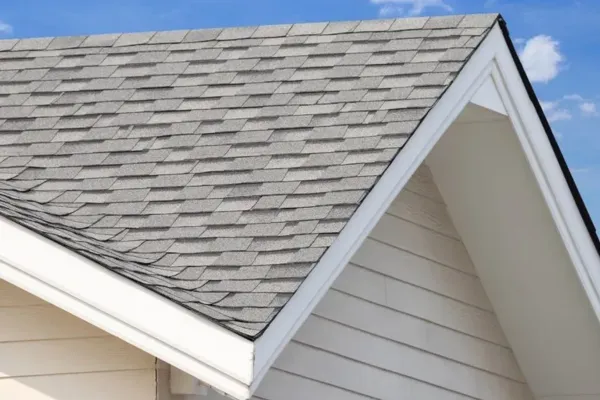
Asphalt shingles remain the most common roofing material in America, and an asphalt shingle roof Florida homeowners install today is far better than the shingles of twenty years ago.
Advantages: Lowest upfront cost, fast installation, wide color selection, and easy repairs. Modern architectural shingles are thicker and more wind-resistant than older three-tab styles, and storm-rated shingles with enhanced wind warranties are designed specifically for high-wind regions.
Disadvantages: Shorter lifespan in Florida, often 15–20 years here versus longer in milder climates, depending on product quality, ventilation, and exposure. Shingles are more vulnerable to UV degradation, algae staining, and wind uplift than metal or tile, particularly as they age.
Budget friendliness: If you need a code-compliant, storm resistant roof at the lowest cost, quality architectural shingles installed correctly are a legitimate option, not a compromise to be ashamed of.
Maintenance: Regular inspections, especially after storms, plus prompt replacement of damaged shingles.
Slate Roof
Slate roof is the premium tier of roofing, natural stone that can last a century.
Pros: Exceptional longevity (often 75–100+ years with proper care), timeless appearance, fire resistance, and no algae or insect issues.
Cons: Slate is the most expensive option by a wide margin, and it's extremely heavy, most South Florida homes would need structural reinforcement to support it. Qualified slate installers are also rare in our region, and individual slates can crack from debris impact.
Weight: Heavier than tile. A structural evaluation is mandatory.
Maintenance: Low when properly installed, but repairs require specialists.
Longevity and cost: Unmatched lifespan, but the combination of price, weight, and limited local expertise makes slate a niche choice for South Florida. Synthetic slate alternatives exist for homeowners who want the look with less weight.
Roofing Materials Florida Comparison Table
Lifespans vary with product quality, installation, ventilation, maintenance, and exposure. Coastal and storm conditions can shorten any material's life.
Which Roofing Material Is Best for Hialeah Homes?
There's no single answer, but here's how it usually breaks down for South Florida homes:
Older homes: Have the structure evaluated before considering tile or slate. Metal or architectural shingles often make more sense unless reinforcement is planned.
New or reinforced homes: Tile and metal are both excellent long-term options.
Tight budget: Storm-rated architectural shingles, installed to current code by a qualified contractor, protect your home without overextending your finances.
High storm exposure: Prioritize the full roofing system, sealed deck, quality underlayment, proper fastening, over the surface material alone.
Coastal exposure: Ask about corrosion-resistant metals and coatings, or consider tile, which handles salt air well.
Long-term investment: Metal and tile typically deliver the best cost-per-year over decades of ownership.
Working with an experienced roofing company in Hialeah helps you match the material to your specific home, structure, and budget, not just to a general recommendation from the internet.
Does Installation Matter More Than Material?
Here's the truth most comparison articles skip: yes, often it does.
According to the Insurance Institute for Business & Home Safety (IBHS), asphalt shingles, metal panels, and clay or concrete tiles can all withstand high wind speeds when installed correctly. Read that again, when installed correctly. The best roof for hurricanes isn't a material. It's a complete, properly installed system:
Fastening: The right nails or screws, in the right pattern, per code and manufacturer specs. Ring-shank nails, for example, significantly increase roof deck uplift resistance.
Roof decking: Properly attached sheathing of adequate thickness is the foundation of everything above it.
Underlayment: A sealed roof deck and quality underlayment act as a secondary water barrier if the roof covering is damaged, IBHS research shows a sealed deck can dramatically reduce water intrusion.
Flashing: Most leaks start at valleys, penetrations, and edges, not in the middle of the roof.
Sealants: Correct products, correctly applied, at every vulnerable point.
Ventilation: Poor attic ventilation shortens the life of any roofing material in Florida's heat.
Product approvals: In Miami-Dade and Broward, materials should carry the appropriate approvals for HVHZ installation.
A premium metal roof installed poorly can fail before a modest shingle roof installed by a skilled crew. No roofing material is hurricane-proof, but proper installation gives every material its best chance.
Roofing + Impact Windows + Impact Doors: Complete Hurricane Roof Protection
Your roof doesn't protect your home alone. During a hurricane, if a window or door fails, wind pressure can enter the home and push upward against the roof from inside, dramatically increasing the risk of roof failure. That's why building officials and storm researchers talk about protecting the entire "building envelope."
Pairing storm-ready roofing with impact windows and impact doors gives your home layered protection: the roof sheds wind and rain from above, while impact-rated openings keep pressure and debris out at ground level. Homeowners across our South Florida service areas increasingly upgrade all three together during a single project, often with financing that makes the combined investment manageable.
Common Mistakes Homeowners Make
After years of roof replacement work across Hialeah and South Florida, we see the same mistakes repeatedly:
Choosing only by price. The cheapest quote often reflects cheaper materials, thinner underlayment, or rushed installation.
Ignoring maintenance requirements. Every roof needs some care, pick one whose demands you'll actually meet.
Ignoring product approvals. Materials without proper Florida approvals can create code, insurance, and resale problems.
Hiring the cheapest contractor. Installation quality determines storm performance more than material choice.
Waiting until hurricane season. Demand spikes, schedules fill, and rushed decisions follow.
Ignoring ventilation. Trapped attic heat quietly shortens roof life.
Choosing appearance over performance. Looks matter, but they shouldn't be the only factor in a storm zone.
How G&R Helps South Florida Homeowners
G&R Doors, Windows & Roofing helps homeowners make this decision with clear information instead of pressure. Our team provides:
Roof inspections that assess your current roof's condition and your home's structure.
Material comparisons based on your specific home, budget, and exposure, not a one-size-fits-all pitch.
Financing options that make quality roofing achievable.
Professional installation to Florida Building Code standards with properly approved products.
Free estimates with no obligation.
If you're comparing the best roofing materials for Florida hurricanes and want honest guidance for your specific home, request a free estimate and we'll walk you through your options.
Conclusion
There is no single best roof for South Florida homes, and anyone who tells you otherwise is selling, not advising. Metal offers longevity and low maintenance. Tile delivers classic Florida durability. Storm-rated shingles protect on a budget. Slate lasts generations for the few homes that can support it.
The right choice among the best roofing materials for Florida hurricanes depends on your budget, location, home style, structure, maintenance goals, storm exposure, and long-term plans. What's non-negotiable is quality installation with properly approved products, because that's what actually determines how your roof performs when the next storm reaches South Florida.
Ready to compare your options? Request a free estimate and get answers specific to your home.
Frequently Asked Questions
1. What roofing material lasts longest in Florida?
Answer: Slate typically lasts the longest, often 75 years or more with proper care, followed by metal and tile. However, real-world lifespan depends heavily on installation quality, ventilation, maintenance, and exposure to coastal conditions, so ask your contractor for realistic expectations for your specific home.
2. Are metal roofs better than tile roofs?
Answer: Neither is universally better. Metal is lighter, lower maintenance, and highly reflective. Tile suits Mediterranean-style homes, handles salt air well, and offers excellent longevity when the structure supports it. The better choice depends on your home's structure, style, budget, and location.
3. Which roofing material performs best during hurricanes?
Answer: No material is hurricane-proof. Metal, tile, and storm-rated shingles can all perform well in high winds when properly installed with approved products, quality underlayment, correct fastening, and a sealed roof deck. The complete roofing system and installation quality matter more than the surface material alone.
4. Are asphalt shingles good for Florida?
Answer: Modern architectural and storm-rated shingles that meet Florida Building Code requirements can be a solid, budget-friendly choice. They have a shorter lifespan in Florida's climate than metal or tile, so factor replacement timing into your long-term planning.
5. Which roofing material needs the least maintenance?
Answer: Metal generally requires the least ongoing maintenance, followed by slate. Tile needs periodic tile replacement and eventual underlayment renewal, while shingles benefit from regular inspections, especially after storms.
6. Which roof is most energy efficient?
Answer: Metal roofing with reflective coatings typically performs best at reducing heat gain. Tile also performs well thanks to natural airflow beneath the tiles. Light colors improve efficiency for any material.
7. Do insurance companies prefer certain roofing materials?
Answer: Some insurers offer credits for features like newer roofs, certain wind mitigation measures, or specific roof-to-wall attachments documented in a wind mitigation inspection. Discounts vary by insurer and policy and are never guaranteed, so check with your insurance provider before assuming savings.
8. What roofing materials does G&R install?
Answer: G&R Doors, Windows & Roofing installs storm-ready roofing systems for South Florida homes, along with impact windows and impact doors, and helps homeowners compare materials to find the right fit for their home, structure, and budget.
