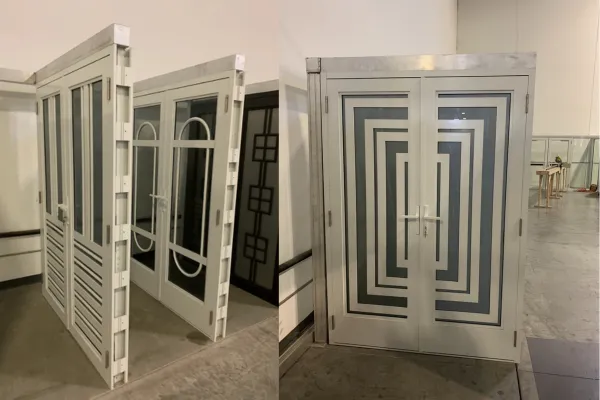
Bi-Fold Impact Doors: Pros and Cons for Florida Homes
Bi-fold impact doors are one of the most striking upgrades you can make to a Florida home, turning a solid wall into a wide, folding glass opening onto your patio or lanai. But they are also a bigger commitment than a standard door, and they are not right for every opening.
Bi-fold impact doors are multi-panel folding glass walls built with hurricane-rated frames and laminated impact glass. They open an entire wall to the outdoors and protect against high winds and flying debris, but they cost more than standard doors, need more maintenance, and stack panels that take up space when open.
At G&R Doors, Windows & Roofing, homeowners ask us whether these doors are worth it for South Florida living. Here is an honest look at the pros, the cons, where they work best, and what drives the cost, so you can decide if a hurricane-rated impact door in a bi-fold style fits your home.
Quick takeaways:
Bi-fold impact doors open a full wall for indoor-outdoor living, unlike a slider or French door
Only impact-rated models with a Miami-Dade NOA or Florida Product Approval protect in a hurricane, so the certification matters
They cost more than sliding or French doors and need more upkeep on tracks and hardware
They shine on patio, lanai, and pool openings, less so on a standard front entry
Like other impact doors, they qualify as opening protection for wind mitigation insurance credit
What Are Bi-Fold Impact Doors?
A bi-fold impact door is a folding glass wall made of several panels hinged together. The panels glide along a track and fold to one or both sides, stacking flat so the opening clears almost completely. Systems commonly come in 6, 9, or 10 panels, and many include an everyday "traffic door," a single active panel you use for daily in-and-out without folding the whole system open.
What makes them impact doors is the construction: heavy-duty aluminum frames, reinforced tracks, multi-point locks, and laminated glass with a tough inner interlayer that holds together when struck. To protect in a storm, they are tested to ASTM E1886 and ASTM E1996 and carry a Miami-Dade Notice of Acceptance or a Florida Product Approval number.
One caution worth stating plainly: not every folding glass door is hurricane-rated. Standard bi-fold doors sold for looks alone will not hold up in a storm. In Florida's wind zones, only a certified impact model belongs on an exterior opening, so always confirm the approval paperwork.
Pros of Bi-Fold Impact Doors
Wide, Wall-to-Wall Openings: This is the headline benefit. The panels fold completely aside to clear the full opening, connecting your living space to the patio or lanai in a way no slider or French door can match.
Hurricane and Impact Protection: When impact-rated, the laminated glass and reinforced frame resist wind-borne debris and sustained wind pressure. Even if the glass cracks on a hard hit, the interlayer holds it together and keeps the opening sealed.
Everyday Access With a Traffic Door: Many systems include an active traffic panel, so you can step outside quickly without folding open the whole wall. You get the drama of a full opening and the convenience of a normal door.
Natural Light and Views: A folding glass wall floods the room with daylight and frames your outdoor space, which is a large part of why Florida homeowners choose them for pool and patio areas.
Everyday Energy, Noise, and Security Benefits: Like other impact doors, the laminated glass and tight seals help reduce heat transfer, cut outside noise, and make forced entry harder, every day, not just during storms.
Added Home Value: A wide impact-rated folding wall is a premium, high-demand feature in the Florida market, combining luxury appeal with real storm protection that buyers notice.
Cons of Bi-Fold Impact Doors
Higher Cost: These are usually the most expensive door option. The complex engineering, heavy-duty tracks, reinforced hardware, and hurricane-certified impact glass make them cost more than standard sliding or French doors.
Stacked Panels Take Up Space: When folded open, the panels stack together at the side of the opening. That stack protrudes onto your patio deck or into the room, so you need clearance where the panels land.
More Frame Lines When Closed: Because the design uses several panels, you see more vertical frame bars when the doors are shut. That means less uninterrupted glass than a single large sliding panel, which some homeowners prefer for a cleaner view.
More Maintenance: The weight of the panels puts stress on rollers, hinges, tracks, and multi-point locks. The bottom track needs regular cleaning, and in coastal, salt-air areas the hardware needs more frequent attention and seasonal tune-ups.
Professional Installation Is a Must: The size, weight, and precise alignment of a multi-panel impact system make this a job for licensed installers. Poor installation undermines both the smooth operation and the storm rating.
Where Bi-Fold Impact Doors Work Best

Bi-fold impact doors earn their cost on wide openings meant for indoor-outdoor living. They are a natural fit for a patio or lanai wall, a pool-area opening, or a great room that opens to a backyard for entertaining. On those spans, a standard slider or hinged door simply cannot give you the same full-width connection.
They are less suited to a standard front entry, where a regular impact entry door makes more sense, or to narrow openings where the panel stack would crowd the space. If your goal is a secure, everyday entrance rather than a dramatic opening, a hinged impact door is usually the better and more affordable choice.
Storm Protection and Florida Code
In Florida's Wind-Borne Debris Regions, and especially the High-Velocity Hurricane Zone covering Miami-Dade and Broward, every exterior opening needs approved protection. A bi-fold door meets that requirement only if it is impact-rated and carries a valid Miami-Dade Product Control NOA or a Florida Building Code product approval.
Installation requires a permit and inspection, and the door must carry a design pressure rating suited to your home's wind load. Done right, an impact bi-fold also counts as opening protection on a wind mitigation inspection, which can help toward the hurricane discounts your insurer offers. Exact savings depend on your carrier and on protecting all openings.
Maintenance Tips for Bi-Fold Impact Doors

A folding system rewards a little routine care. Keep the bottom track clean and clear of grit, since debris in the track is the most common cause of hard operation. Check that rollers, hinges, and multi-point locks move freely, and confirm the weatherstripping stays intact. In salt-air coastal areas, inspect and lubricate the hardware more often to fight corrosion, and consider a seasonal tune-up before hurricane season.
What Drives the Cost of Bi-Fold Impact Doors
Several factors move the price: the width of the opening and number of panels, the frame material and finish, the impact glass package, the hardware and locking system, the threshold type, and the complexity of the installation. Because every opening is different, the honest answer is to get a quote for your specific project rather than rely on a generic figure.
Bi-Fold vs Other Impact Door Options
If a folding wall is more than you need, two alternatives are worth comparing. Impact sliding glass doors give you a wide opening with fewer frame lines and no stacked-panel footprint, though the panels overlap rather than clearing the full span. Impact French doors offer a classic look for smaller openings but do not open as wide. For a main entrance, a standard hinged impact door is the simplest and most economical choice. The right pick depends on how wide you want to open, your budget, and the room.
Frequently Asked Questions
Q1. Are bi-fold impact doors good?
Answer: Yes, for the right opening. They give you a full wall of glass that folds away for indoor-outdoor living, plus hurricane protection when impact-rated. They cost more and need more upkeep than standard doors, so they make the most sense on patio, lanai, and pool openings.
Q2. Are bi-fold impact doors storm-rated?
Answer: Only if the specific model is impact-rated and carries a Miami-Dade NOA or Florida Product Approval. Standard folding doors are not hurricane-rated. In Florida wind zones, always confirm the certification before installing one on an exterior opening.
Q3. Are bi-fold impact doors expensive?
Answer: They are usually the most expensive door type, because of the engineering, heavy tracks, reinforced hardware, and impact glass. Cost depends on the opening width, panel count, materials, and installation, so a project quote is the best way to know.
Q4. Where should bi-fold impact doors be used?
Answer: They work best on wide openings built for indoor-outdoor living, like a patio, lanai, pool area, or great room. They are less ideal for a standard front entry, where a hinged impact door is a better fit.
Q5. Do bi-fold impact doors need permits?
Answer: Yes. Installing an impact door in Florida requires a permit and inspection, and in Miami-Dade or Broward the product must carry a valid NOA. A licensed installer handles the permitting and ensures the system meets code.
The Bottom Line
Bi-fold impact doors deliver something no other door can: a full wall that opens to the outdoors, with built-in real hurricane protection. The trade-offs are a higher price, a panel stack that needs clearance, more frame lines when closed, and more maintenance. For the patio or lanai of a South Florida home, many owners find that trade worth it. For a simple entrance, a standard impact door usually makes more sense.
Not sure which style fits your opening? We can help you compare bi-fold, sliding, and hinged impact doors in Hialeah and across South Florida. Request a free estimate and we will walk you through the options, the approvals, and the permitting.
