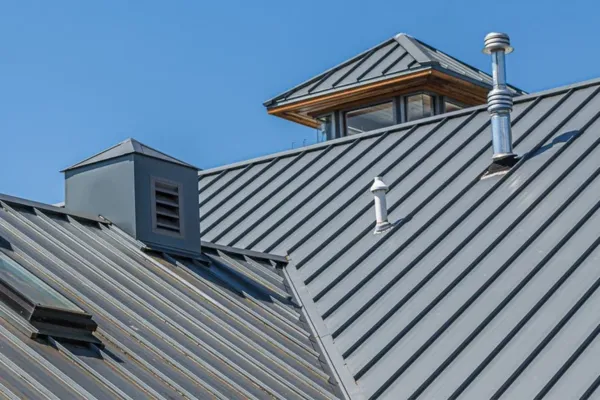
Can a Metal Roof Be Installed Over Shingles?
Your shingle roof is 18 years old, and the next hurricane season is less than six months away. A full tear-off sounds expensive, messy, and time-consuming. So here is the question on every South Florida homeowner's mind: can a metal roof be installed over shingles without ripping everything off first?
Yes, a metal roof can be installed over existing asphalt shingles in most cases, as long as there is only one layer of shingles, the roof deck is structurally sound, and local building codes permit the overlay. This process, sometimes called a metal roof overlay or re-roof, saves time, reduces waste, and can cut installation costs by 20 to 30 percent.
But "yes" comes with conditions. Not every roof qualifies, and Florida has its own set of rules that many national roofing blogs ignore entirely.
G&R Doors, Windows & Roofing has been installing metal roofs across Miami-Dade, Broward, and Palm Beach counties for over 15 years. We have completed this exact type of project on thousands of homes, and we know what works in South Florida's climate and what does not.
In this blog, we will explain when a metal roof overlay is a smart move, when it is not, what the Florida Building Code actually says, and how the entire process works from inspection to final permit approval.
Can You Really Install a Metal Roof Over Shingles?
The short answer is yes. Most roofing professionals and building codes across the United States allow metal roofing to be installed directly over one existing layer of asphalt shingles.
Why does this work? Metal roofing panels are lightweight. A standing seam metal roof, for example, typically weighs between 1 and 1.5 pounds per square foot. Compare that to concrete tiles, which can weigh 9 to 12 pounds per square foot. The added weight of metal over an existing shingle layer is minimal for most residential structures.
There are conditions, though.
The existing shingle layer must be in reasonable shape. Curling, buckling, or heavily deteriorated shingles do not provide a stable surface. The roof deck beneath them needs to be free of rot, mold, and water damage. And there can only be one layer of shingles already on the roof. If someone previously added a second layer, the whole thing needs to come off before metal goes on.
One more thing. A synthetic underlayment must be installed between the old shingles and the new metal panels. This acts as a vapor barrier and a slip sheet, preventing the asphalt granules from rubbing against the metal and causing corrosion over time. Standard tar paper tends to stick to metal roofing, which is why synthetic options are the industry preference today.
Why Florida Homeowners Are Choosing Metal Over Shingles
Florida is not like the rest of the country when it comes to roofing decisions. The combination of hurricane-force winds, extreme UV exposure, coastal humidity, and heavy seasonal rainfall puts roofing materials under constant stress.
Metal roofs handle all of it.
A properly installed metal roof can withstand winds up to 150 mph or more. That is Category 4 hurricane territory. Asphalt shingles, even high-quality architectural shingles rated for Florida's high-wind zones, typically max out around 130 mph. In a state where storm season runs from June through November every single year, that difference matters.
Then there is lifespan. A metal roof can last 40 to 70 years depending on the material. Asphalt shingles in Florida's heat and humidity tend to last 20 to 30 years at best. Some three-tab shingles deteriorate even faster. Over a 50-year period, you might replace a shingle roof two or three times. A metal roof? Once.
Energy efficiency is another big reason. Metal roofs reflect a significant portion of the sun's rays instead of absorbing heat the way dark asphalt shingles do. In a place like Hialeah, where summer temperatures regularly push past 90 degrees, that reflectivity translates directly to lower cooling costs.
And here is something many homeowners overlook. Florida statute 627.0629 requires insurance companies to offer discounts to homeowners whose properties are effectively protected against windstorms. A certified metal roof often qualifies you for those discounts, which can lower your annual premium by hundreds of dollars.
If you are considering this upgrade, our metal roof installation in South Florida page has details on every material option, warranty coverage, and financing.
Pros of Installing a Metal Roof Over Shingles
Lower Installation Costs
Tearing off an existing shingle roof is not cheap. You are paying for labor to strip every shingle, haul the debris to a dumpster, and dispose of it at a landfill. On a 2,000-square-foot home, that tear-off alone can add $3,000 to $5,000 to the total project cost.
Skip that step, and the savings go straight back into your budget. Some homeowners use those savings to upgrade to a higher-grade metal panel. Others put it toward other storm protection projects like impact windows or doors.
Faster Project Completion
A full tear-off adds at least one to two extra days to the project timeline. During that time, your home's roof deck is exposed to the elements. In Florida, where afternoon thunderstorms show up with almost no warning between May and October, that exposed deck is a real risk.
Installing metal over existing shingles cuts the timeline significantly. Less exposure, less stress, and your family goes back to normal faster.
Less Waste in the Landfill
Asphalt shingle waste is a genuine environmental problem. According to the EPA, roughly 11 million tons of asphalt shingle waste ends up in U.S. landfills every year. By skipping the tear-off, you keep your old shingles out of the waste stream entirely.
Added Insulation Layer
Here is a benefit that does not get enough attention. The existing shingle layer acts as an additional insulation barrier between the metal panels and the interior of your home. In Florida's brutal summer heat, that extra layer helps. It is not a substitute for proper attic insulation, but it contributes to overall thermal performance.
Cons and Risks You Should Know About
No roofing decision is without trade-offs. A metal roof overlay has real downsides that you need to weigh carefully.
Hidden Damage Goes Undetected
This is the biggest risk. When you install metal over existing shingles, nobody gets to inspect the roof deck beneath them. Rot, mold, water damage, deteriorated plywood, these problems stay hidden under two layers of roofing material.
If your shingle roof has been leaking, even minor drips over several years, the deck might have serious structural issues. Installing metal over a compromised deck does not fix the problem. It buries it.
A qualified roofing contractor will do a thorough inspection before recommending an overlay. Soft spots, sagging areas, or visible water stains in the attic are all red flags that suggest a tear-off is the safer choice.
Added Weight on the Structure
Metal is light compared to tile or slate. But it still adds weight on top of what the shingles already weigh. For most modern homes built to Florida's structural codes, this is not an issue. Older homes, especially those built before the 1990s, may need an engineering review to confirm the trusses and framing can handle the combined load.
Warranty Concerns
Read the fine print. Some metal roofing manufacturers will not issue a full warranty if their product is installed over existing shingles rather than on a clean deck. Others offer the same warranty regardless of the installation method. Always verify warranty terms before signing any contract.
Moisture Trapping
Without proper underlayment and ventilation, moisture can get trapped between the old shingles and the new metal panels. In Florida's humid climate, trapped moisture leads to mold, rust, and premature deterioration. This is why the underlayment step is so critical, and why the installer you choose matters more than the materials themselves.
What Florida Building Codes Say About Metal Roofing Over Shingles
Florida has some of the strictest building codes in the country, and for good reason. Understanding what is and is not allowed saves you from expensive surprises.
Here is what you need to know.
Florida building codes allow a maximum of two layers of roofing on a residential structure. That means one overlay is permitted. If your home already has two layers of shingles, everything must come off before any new material goes on. No exceptions.
The 2026 9th Edition of the Florida Building Code includes a specific provision that is relevant here. Complete and separate roofing systems, such as standing seam metal roof systems, that transmit roof loads directly to the building's structural system and do not rely on existing roofs for support, do not require the removal of existing roof coverings. This is significant for homeowners choosing standing seam metal.
In Miami-Dade County specifically, all roofing products must hold a Notice of Acceptance (NOA) certifying them as impact-resistant. This applies whether the metal roof is installed over shingles or on a clean deck. Your contractor must pull permits and schedule inspections with the local building code enforcement agency.
We handle all of this for you. Every storm-proof roofing project we complete goes through proper permitting and inspection. No shortcuts. That permit is your proof that the work was done right.
How a Metal Roof Is Installed Over Existing Shingles, Step by Step
Knowing the process removes the mystery. Here is how we approach a metal roof overlay from start to finish.
Step 1: Roof Inspection and Assessment
Everything starts with a detailed inspection. We check the condition of the existing shingles, look for signs of damage in the attic, assess the roof deck's structural integrity, and measure the entire roof for accurate material estimates.
If the shingles are in bad shape or the deck shows signs of rot, we will tell you. An overlay is not the right call for every home, and we would rather give you honest advice than sell a job that will cause problems later.
Step 2: Underlayment Installation
A high-quality synthetic underlayment goes directly over the existing shingles. This layer does three things. It acts as a moisture barrier. It prevents granule-to-metal contact that could cause corrosion. And it serves as a slip sheet, allowing the metal panels to expand and contract with temperature changes without tearing the material beneath them.
Standard felt paper (tar paper) is not ideal for metal roofing overlays. It tends to stick to the underside of the metal and tears when the panels shift. Synthetic underlayment is the modern standard for a reason.
Step 3: Furring Strips or Battens
In many installations, furring strips (also called battens) are screwed through the existing shingles and into the roof deck. These wood or metal strips create a flat, even surface for the metal panels and allow for airflow between the old shingles and the new roof.
That airflow matters. It helps prevent moisture buildup and keeps the metal panels from sitting directly on uneven shingle surfaces, which could cause oil canning (visible waviness in the metal).
Step 4: Metal Panel Installation
With the underlayment and furring strips in place, the metal panels are secured. Standing seam panels clip to the furring strips and interlock at the seams, creating a continuous surface with no exposed fasteners. Exposed-fastener metal panels are another option, though standing seam is generally preferred for hurricane zones due to its superior wind resistance.
Flashing, ridge caps, drip edges, and valley components are all installed according to manufacturer specifications and Florida building code requirements.
Step 5: Final Inspection and Permits
After installation, the project goes through a final inspection by the local building code enforcement agency. This inspection confirms that the work meets all applicable codes, that the materials are properly installed, and that permits are closed out.
We manage every step of this process. From the initial call to the final inspection, there is nothing for you to coordinate on your own. Schedule a free estimate and we will walk you through everything during the consultation.
Metal Roof Over Shingles vs Full Tear-Off: Which Is Better?
Both options have their place. The right choice depends on your roof's current condition, your budget, and your long-term plans.
Choose an overlay when: your existing shingles are in decent condition, there is only one layer, the attic shows no signs of leaks, and the structure can handle the additional weight.
Choose a full tear-off when: shingles are severely deteriorated, the roof has leaked in the past, there are already two layers, or the deck needs structural repair.
Not sure which applies to your home? That is exactly what our free assessment is for. We inspect the roof, give you an honest recommendation, and provide a written quote with no hidden fees. We also install shingle roofs in South Florida, so if metal is not the right fit, we can help you find what is.
Conclusion
A metal roof can be installed over shingles, and for many Florida homeowners, it is the smarter, faster, and more affordable path to long-term storm protection. The key is making sure your existing roof qualifies and hiring a contractor who knows Florida's building codes inside and out.
Hurricane season does not wait. Every year it arrives on schedule, and every year homeowners who waited wish they had not.
G&R Doors, Windows & Roofing provides expert metal roof installation in South Florida with $0 down financing, a 5-year parts and labor warranty, and free no-obligation estimates for every homeowner in Miami-Dade, Broward, and Palm Beach counties.
Your roof protects everything underneath it. Make sure it is ready.
Frequently Asked Questions
Question: How long does a metal roof last when installed over shingles?
A metal roof installed over shingles can last 40 to 70 years, the same lifespan as a metal roof installed on a clean deck. The key is proper underlayment, correct installation, and choosing a qualified contractor who follows manufacturer specifications. In Florida, standing seam metal roofs tend to perform the longest due to their hidden fastener design.
Question: Is it cheaper to put a metal roof over shingles?
Yes. Skipping the tear-off saves on labor and disposal costs, which typically reduces the total project cost by 20 to 30 percent. For a 2,000-square-foot home, those savings can range from $3,000 to $5,000 depending on the complexity of the roof.
Question: Do you need underlayment for a metal roof over shingles?
You do. A synthetic underlayment is placed between the old shingles and the new metal panels. It serves as a vapor barrier, prevents corrosion from granule contact, and allows the metal to expand and contract without damaging the layer beneath. Felt paper is not recommended because it tends to stick to metal and tear over time.
Question: Does installing a metal roof over shingles void the warranty?
It depends on the manufacturer. Some metal roofing manufacturers provide full warranty coverage for overlay installations. Others offer limited or no warranty when their product is installed over existing shingles. Always confirm warranty terms with your contractor before starting the project.
Question: Can you install a metal roof over two layers of shingles?
No. Florida building codes allow a maximum of two total roofing layers. If your home already has two layers of shingles, all existing roofing must be removed before a metal roof can be installed. This rule exists to prevent excessive weight on the roof structure and to allow proper inspection of the deck.
