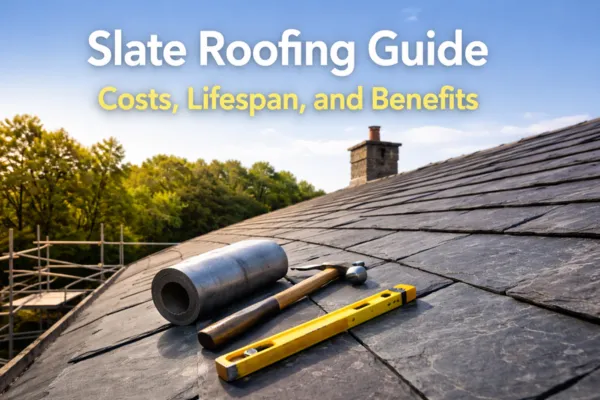
How Long Do Slate Roofs Last? Florida Homeowner's Guide
When it comes to protecting your home from the unpredictable storms of South Florida, your roof plays a crucial role in keeping you safe. Among the various roofing materials available, slate roofing stands out as one of the most durable and long-lasting options. Whether you live in Hialeah, Miami, or anywhere else in Florida, understanding how long a slate roof can last - and what factors impact its longevity - is essential for making informed decisions about your home's protection.
Slate roofs are renowned for their remarkable ability to withstand the harsh weather conditions typical of Florida, including hurricane-force winds and heavy rains. While many roofing materials need replacing after a few decades, slate roofing can last 50 to over 200 years with proper installation and care.
In this comprehensive guide, we’ll explore the expected lifespan of slate roofs, what factors contribute to their longevity, and how you can maximize the life of your slate roof. Whether you’re considering slate roofing for a new build or evaluating the condition of an existing slate roof, this guide will provide you with all the information you need to make a confident, informed decision.
Slate Roof Lifespan by Type
When it comes to slate roofing, not all slates are created equal. The type of slate used, as well as its quality, can significantly impact how long the roof will last. Understanding the differences between slate types will help you choose the best material for your home and ensure your roof lasts as long as possible.
Here’s a breakdown of the typical lifespan for different types of slate used in South Florida homes, and how their properties influence durability:
Welsh Slate
Welsh slate is widely regarded as the gold standard for roofing material. It is known for its strength, consistency, and excellent resistance to the elements. Welsh slate is naturally dense, with a low water absorption rate, which makes it perfect for high-humidity and rainy climates like South Florida.
Water Absorption: Very low
Best For: Heritage buildings, premium residential projects, and conservation areas.
Durability: The longevity of Welsh slate is unmatched, with some examples still functioning after over 400 years of service. It is highly resistant to the freeze-thaw cycle, meaning it won’t crack or degrade due to fluctuating temperatures.
Spanish Slate (High Grade)
Spanish slate is one of the most popular choices in the global roofing industry, and it's widely used in the U.S. due to its availability and affordability. High-grade Spanish slate is similar in performance to Welsh slate and is considered ideal for high-quality residential homes in South Florida.
Water Absorption: Low
Best For: Quality residential homes, listed buildings, and luxury properties.
Durability: While Spanish slate may not last as long as Welsh slate, with proper installation and care, it can last up to 150 years or more.
Spanish Slate (Standard)
This variety of Spanish slate is more budget-friendly compared to its higher-grade counterpart, but it still offers great durability for residential homes. Though its lifespan is shorter than high-grade slate, it is still an excellent choice for those seeking affordable hurricane-resistant roofing.
Water Absorption: Low to moderate
Best For: General residential use, standard homes in South Florida.
Durability: This slate can last up to 100 years, depending on the quality of installation and maintenance.
Canadian Slate
Canadian slate is another strong option known for its high durability and resistance to weathering. This slate typically has a darker color compared to other slates and is an excellent choice for homeowners looking for a slate alternative to Welsh and Spanish varieties.
Water Absorption: Low
Best For: Residential properties seeking durable roofing with a high-quality finish.
Durability: This slate is strong and can last between 100–150 years, depending on environmental conditions.
Brazilian Slate
Brazilian slate is a more affordable option for homeowners looking for slate roofing but at a lower cost. It is less durable than the higher-end options like Welsh or Spanish high-grade slate, but with proper care, it can still provide reliable protection.
Water Absorption: Moderate
Best For: Budget-conscious homeowners who want the aesthetic of slate without the premium price tag.
Durability: Brazilian slate typically lasts between 75 to 100 years.
Chinese Slate
Chinese slate is often considered a budget option and is widely available in the U.S. It’s suitable for less demanding applications or in areas with mild climates. However, its relatively lower durability and higher water absorption make it less ideal for hurricane-prone regions like South Florida.
Water Absorption: Higher
Best For: Budget-friendly residential projects or mild climates.
Durability: Chinese slate typically lasts 50 to 75 years, with higher risks of delamination and damage over time.
Synthetic/Fiber Cement Slate
Synthetic slate or fiber cement slate is a manufactured alternative to natural slate. While it offers the appearance of slate, its durability is much lower. This type of slate is often used as a more affordable, short-term solution in residential applications.
Water Absorption: N/A (does not absorb water like natural slate)
Best For: Modern builds, budget-conscious homeowners.
Durability: Synthetic slate can last between 20 to 50 years, with limited resistance to extreme weather conditions compared to natural slate.
Comparing Slate Types
Why Slate Roofs Last So Long
Slate is widely regarded as one of the most durable and long-lasting roofing materials available. This remarkable longevity can be attributed to the natural properties of slate, combined with its geological formation and resilience in various environmental conditions. Understanding why slate lasts so long can help you appreciate its value and reliability as a roofing choice, especially in South Florida, where extreme weather conditions demand top-tier protection.
Natural Durability of Slate
Slate is a metamorphic rock that forms over millions of years under intense pressure and heat. This geological process results in a dense, non-porous material that is naturally resistant to many of the challenges that other roofing materials face. Its inherent durability is what makes slate roofs so desirable.
Fire Resistance: One of the most notable benefits of slate is its natural fire resistance. Unlike other roofing materials like wood or asphalt shingles, slate is non-combustible, meaning it won't catch fire or spread flames. This is especially important for homes in areas prone to wildfires or near high-risk zones in South Florida.
UV Stability: Slate is highly UV stable, meaning that prolonged exposure to sunlight doesn't degrade the material. While asphalt shingles or clay tiles may fade, crack, or weaken under the sun's UV rays, slate maintains its integrity over time. This makes it an excellent choice for South Florida, where the sun’s rays can be harsh.
Low Water Absorption: Slate is highly water-resistant. Its low water absorption rate prevents water from soaking into the tiles, unlike other materials like concrete tiles, which can absorb moisture and suffer from freeze-thaw cycles. This quality makes slate particularly ideal for areas with heavy rainfall, as it minimizes the risk of water damage.
These natural qualities of slate make it one of the most robust materials available for long-term roof performance.
Chemical Stability
Slate’s chemical stability is another key factor in its longevity. Unlike other materials that may react with environmental factors, slate remains largely unchanged over time. Its low reactivity makes it resistant to the harmful effects of acid rain, pollutants, and other environmental elements that can degrade roofing materials.
Acid Rain Resistance: Acid rain, which can be caused by pollutants in the atmosphere, is a common concern for many roofing materials. However, slate’s chemical inertness means it is not affected by acid rain. Materials like wood shakes or asphalt shingles can degrade quickly when exposed to acid rain, but slate remains unaffected, retaining its strength and appearance.
Pollution Resistance: In urban environments with higher pollution levels, many roofing materials can erode or discolour due to chemical reactions with airborne pollutants. Slate doesn't suffer from this degradation, making it an ideal choice for homeowners who live in cities or industrial areas.
Because slate doesn’t break down or degrade chemically, it keeps its aesthetic appeal and structural integrity for many generations, even in the most challenging environments.
Freeze-Thaw Resistance
Another key property of slate is its ability to resist damage from freeze-thaw cycles, a challenge for roofing materials in colder climates. Although South Florida doesn't experience freezing conditions, this property still contributes to slate’s durability in varying weather conditions.
Freeze-Thaw Resistance: Unlike concrete tiles or clay, slate doesn’t absorb water, which means it won’t freeze and crack during cold spells. Concrete tiles are porous and can absorb moisture, which, when frozen, can cause cracks and degradation. Slate's non-porous nature means it remains stable and doesn't suffer from the expansion and contraction that happens with freeze-thaw cycles. This is why slate is such a long-lasting material even in harsh climates.
Although South Florida doesn't face extreme cold, understanding how slate resists freeze-thaw damage demonstrates its overall strength and its ability to withstand various stressors over time.
Long-Term Value
While slate may come with a higher upfront cost compared to other roofing materials like shingles or tile, its long-term value makes it a highly economical option in the grand scheme of things. The investment in slate roofing pays off in terms of longevity, maintenance costs, and overall performance.
Long-lasting Investment: As mentioned earlier, slate roofs can last anywhere from 75 to over 200 years depending on the type of slate used and the quality of installation. Unlike asphalt shingles, which need to be replaced every 20-30 years, slate roofs don’t require frequent replacements. The longevity of slate means that homeowners will save on long-term roofing costs, making it an attractive choice for those who plan to stay in their homes for many years.
Low Maintenance Costs: Slate roofs require minimal maintenance compared to other roofing materials. The material itself is durable and resistant to many of the common issues that affect other roofs, such as moss growth, mildew, or weather damage. Routine maintenance generally involves periodic inspections and replacing damaged slates, which is a relatively low-cost process.
Increased Property Value: Homes with slate roofs often see an increase in resale value. Slate’s long-lasting nature and elegant appearance add curb appeal, and buyers may be willing to pay more for a home with a premium roofing system. Furthermore, a hurricane-resistant slate roof can be a significant selling point in areas like South Florida, where hurricane protection is a priority for buyers.
When considering slate roofing as an investment, it's important to weigh its initial higher cost against the long-term savings and benefits. Over time, a slate roof becomes a valuable asset that provides unparalleled protection, security, and peace of mind.
What Causes Slate Roofs to Fail?
While slate roofing is one of the most durable and long-lasting options available, it is not impervious to damage. Several factors can cause slate roofs to deteriorate over time, reducing their lifespan and effectiveness. Understanding these issues can help homeowners identify problems early and take corrective actions to extend the life of their roof.
Poor Quality Slate
The quality of slate is a significant factor in how long your roof will last. While high-quality slate can endure for centuries, poor-quality slate can fail much sooner. Issues with low-quality slate include:
High Iron Content: Slate with a high concentration of iron can develop rust stains and degrade over time. These rust stains are caused by iron pyrite inclusions, which can lead to premature aging and weakening of the slate tiles.
Excessive Carbonate Content: Slate with too much carbonate is prone to delamination and can start to break down after exposure to weather elements. This causes the slate to lose its structural integrity and ultimately shorten the lifespan of the roof.
Water Absorption: Slate with higher water absorption is more vulnerable to freeze-thaw cycles and moisture damage. If the slate tiles absorb too much water, they can crack, flake, or delaminate when subjected to freezing conditions, even in milder climates like Florida.
When choosing slate roofing, it’s important to opt for high-quality slate that’s properly graded and tested for long-term durability.
Nail Sickness
Nail sickness is a condition that occurs when the nails used to secure slate tiles begin to corrode. Traditionally, copper nails were used for slate roofing because they do not rust. However, many modern installations use galvanized steel nails, which are more susceptible to corrosion over time.
Corrosion of Nails: When steel nails rust, they lose their grip, causing the slate tiles to become loose and slide out of position. This leads to gaps in the roof, allowing water to penetrate and further damage the roof structure.
Potential Issues: If left unaddressed, corroded nails can cause widespread slate displacement, leading to costly repairs or even full roof replacement.
To prevent nail sickness, it's essential to use corrosion-resistant nails like copper or stainless steel to ensure that your slate roof remains securely fastened for years to come.
Batten Decay
Wooden battens are used to secure slate tiles in place, but over time, they can deteriorate due to moisture exposure. This is especially problematic in areas with poor ventilation or excessive humidity.
Moisture and Rot: When water gets trapped between the slate tiles and the battens, it can lead to rot. This is further exacerbated by poor ventilation in the attic or roof space, which traps moisture and prevents proper drying.
Structural Instability: Once the battens begin to rot, the roof loses its support structure, and the slate tiles may no longer be securely fastened. This can cause the roof to sag or lead to tiles slipping out of place, potentially causing leaks or further damage to the underlying structure.
Regular inspections and ensuring proper roof ventilation can help prevent batten decay and preserve the structural integrity of your slate roof.
Delamination
Delamination is the process by which the layers of slate begin to separate due to moisture or temperature fluctuations. This is a common problem with lower-grade slates that have higher water absorption rates.
Moisture-Proofing: When water seeps into the slate, it can get trapped between the layers, causing them to separate. The outer layers may start to flake off, weakening the slate’s structural integrity.
Freeze-Thaw Damage: In climates where temperatures fluctuate (even in Florida’s cooler months), freeze-thaw cycles can accelerate delamination, especially in slates that absorb more water.
High-quality slate with low water absorption and proper installation can greatly reduce the risk of delamination and extend the lifespan of your roof.
Physical Damage
While slate is known for its strength, it is also brittle and can be prone to breaking if subjected to significant force. Physical damage from storms, falling debris, or even walking on the roof can lead to cracked or broken tiles.
Falling Debris: In South Florida, high winds during hurricanes or severe storms can cause tree branches, debris, or even other roofing materials to fall on your slate roof. Even a single impact can crack or break a slate tile.
Walking on Slate Roofs: Slate is strong but fragile when directly impacted. Walking on slate tiles can cause them to crack or break, which is why it’s important to limit foot traffic on the roof.
Harsh Weather: Hailstorms or strong winds can also cause slate tiles to crack or break, compromising the roof’s integrity.
If you notice broken or cracked tiles, it’s important to replace them as soon as possible to prevent water from leaking into your home and causing further damage.
Flashing Failure
Flashing is the material used around chimneys, valleys, and other penetrations to prevent water from entering the roof. On slate roofs, lead flashing is typically used, but it can fail over time, leading to water damage.
Flashing Wear and Tear: Over time, flashing can corrode, especially if it's made of lead or other soft materials. When flashing fails, water can penetrate the roof structure, leading to rot in the supporting timbers or the roof’s underlayment.
Leaky Roofs: Even if the slate tiles are in perfect condition, flashing failure can cause leaks, which can damage the structure of your home and lead to costly repairs.
Regularly checking the condition of your flashing, especially around chimneys and roof penetrations, can help prevent leaks and maintain the integrity of your slate roof.
How to Tell If Your Slate Roof Needs Work
Slate roofs are designed to be incredibly durable, but like any roofing material, they require regular inspections and maintenance to ensure they continue to perform at their best. Fortunately, slate roofs tend to show signs of wear gradually, giving homeowners ample time to address potential issues before they escalate into more costly problems.
In this section, we’ll explore the key indicators that your slate roof may need attention, helping you recognize when it's time to call in a professional.
Visible Damage
One of the easiest ways to spot potential issues with your slate roof is by looking for visible damage. Inspect your roof periodically, especially after storms or periods of heavy wind. Here’s what to look for:
Slipped or Missing Slates: If you notice gaps where tiles should be, or if the tiles are visibly out of alignment, your roof may be at risk of further damage. Even a few missing slates can compromise the roof’s effectiveness.
Cracked Slates: Slate is durable but can still crack if impacted by debris, falling branches, or even severe storms. Cracks in the slate can lead to water penetration, so it's essential to replace them immediately to prevent further issues.
Flaking or Delaminating Slates: If you see slates with rough, uneven surfaces or pieces of the slate beginning to peel away, this is a sign of delamination. Slate with high water absorption is more prone to this type of damage, which can shorten its lifespan.
Rust Staining
If you spot orange-brown staining on your slate roof, this could indicate that the slate contains iron pyrite (commonly known as “fool’s gold”) or other iron-rich minerals. Over time, these minerals rust and cause staining on the surface of the tiles. Rust staining is often a sign of poor-quality slate and can be a warning sign that the roof is deteriorating faster than expected.
Iron Pyrite Inclusions: High-quality slate generally has low iron content, while cheaper slate contains higher iron, which leads to rusting. These stains not only damage the roof's appearance but can also lead to premature degradation of the tiles.
Moss and Lichen Growth
While some moss and lichen growth is natural, excessive growth on your slate roof can be a cause for concern. Over time, moss can trap moisture against the slate, which can lead to rot and moss-induced damage.
Why This Happens: Moisture gets trapped under the moss, which increases the chances of water infiltration and damage to the slate beneath it. Regular cleaning and removal of moss can prevent these issues from becoming more serious.
How to Address It: Use gentle methods for cleaning and avoid harsh chemicals or pressure washing, as this could damage the slate tiles. In most cases, hiring a professional to clean and maintain the roof is the best course of action.
Water Leaks or Water Stains
One of the most significant signs that your slate roof needs work is the presence of water leaks or water stains inside your home. This is typically the result of damaged slates or failed flashings.
Water Stains on Ceilings or Walls: If you notice water stains on the ceilings or walls, particularly around chimneys or roof valleys, this is a red flag that your roof is compromised. This could be due to slipped slates, flashing failure, or cracked tiles.
Daylight Visible Through the Roof: If you can see daylight through your roof from the attic or loft space, this is a clear indication that there are gaps or holes in your slate roofing system.
Musty or Damp Smells: Persistent dampness or musty odors in your attic may be another sign of water damage caused by a compromised roof. Water entering the attic can lead to mold and rot, so addressing the issue promptly is important.
Sagging Roof or Ridge Line
If you notice a sagging ridge line or roof structure, this is an indication of structural instability. This could be caused by failing battens or decaying rafters.
What to Look For: A ridge line that appears to be sinking or sagging in certain areas is a sign that the roof’s supporting structure has been weakened. This often occurs due to moisture damage or the weight of damaged slates.
When to Act: If you notice sagging, it's important to call in a roofing professional immediately. Left untreated, it could result in further structural damage or even a roof collapse.
Slipped Tiles After Storms
After a storm, it’s essential to inspect your slate roof for any slipped tiles. While individual tiles might come loose during high winds or heavy rain, this could be an indication of more significant underlying problems, such as nail sickness or weakened battens.
What to Look For: If you see slipped tiles on the ground or visible gaps on your roof, it’s crucial to replace the tiles quickly. Slipped tiles can expose your roof to further damage and water infiltration.
Maintaining a Slate Roof for Longevity
Slate roofing is known for its impressive durability and longevity, but like any roofing material, it requires regular maintenance to maximize its lifespan. Maintaining your slate roof ensures that it continues to perform optimally, protects your home from the elements, and reduces the risk of costly repairs down the line.
Here are some essential tips for maintaining a slate roof and keeping it in good condition:
Annual Inspections
A slate roof inspection should be done at least once a year. Even if your slate roof appears to be in good condition, it’s important to check for any signs of damage or wear that may not be immediately visible. After severe weather, or particularly after storms, it’s advisable to conduct a post-storm inspection as well.
Things to look for during an inspection:
Cracked, missing, or displaced slates: Inspect the roof from ground level and in the attic for any noticeable gaps, broken tiles, or misaligned slates.
Rust staining or moss growth: These can indicate deeper issues with the slate’s integrity.
Flashing issues: Ensure the flashing around chimneys, valleys, and vents are intact and not compromised by weather or wear.
Batten condition: Inspect the wooden battens for any signs of decay or rot.
A professional roofing contractor can help ensure that nothing goes unnoticed and that the roof is up to code.
Prompt Repairs
When slate tiles become damaged, it’s important to address the issue quickly. One cracked or missing tile may seem like a small problem, but if left unchecked, it can lead to more significant damage. Moisture can seep under the tiles and damage the underlayment or even the structural components of the roof.
Replace Broken Tiles: If you notice any cracked or broken slates, replace them immediately to avoid further damage. With slate roofing, replacing individual tiles is much easier than with other materials like asphalt shingles.
Secure Loose Tiles: Ensure that any loose tiles are re-secured with proper fasteners to prevent wind uplift or displacement during storms.
Repair Flashing: Damaged or deteriorating flashing can lead to water penetration. Regularly check the flashing around chimneys, walls, and valleys and replace any failing sections.
Prompt repairs can extend the lifespan of your slate roof and prevent minor issues from becoming major problems.
Moss and Algae Removal
While a small amount of moss or algae on your slate roof is generally harmless, excessive growth can trap moisture against the surface, which may cause the tiles to degrade over time. Moss and lichen also make it harder to spot damaged tiles, as they can obscure cracks and loose slates.
How to Clean Moss and Algae from Slate Roofs:
Gentle Cleaning: Avoid using harsh chemicals or power washing, as this can damage the slate tiles. Use a gentle brush or soft scraper to remove moss and lichen.
Copper Strips: Installing copper strips under the ridge tiles can help deter moss growth, as copper has natural anti-microbial properties that prevent the growth of algae and moss.
Regular Maintenance: Clear leaves, debris, and moss from valleys and gutters to ensure water flows freely and doesn’t build up on the roof.
By preventing the buildup of moss and algae, you can reduce the risk of moisture damage and delamination, ensuring your slate roof remains intact for decades.
Gutter Maintenance
Blocked gutters can lead to water pooling around the edges of your slate roof, which can result in moisture infiltration and damage to the lower slate tiles. Keeping your gutters clean is an important part of maintaining your slate roof.
Clear Debris Regularly: Remove any leaves, twigs, or other debris from gutters and downspouts to ensure proper drainage.
Check for Blockages: Regularly inspect downspouts to ensure water is flowing freely. Clogged gutters can cause water to back up and overflow, leading to rot in the roof’s lower courses.
A well-maintained gutter system is key to preserving the integrity of your slate roof and preventing water damage.
Chimney and Flashing Checks
Flashings are a critical part of your roof’s water resistance. Over time, flashing can deteriorate or become damaged, allowing water to leak into your home. It’s essential to check the condition of the flashing around your chimneys, vents, and roof valleys to ensure that they are securely in place and water-tight.
Chimney Flashing: The flashing around chimneys is particularly vulnerable, as it’s exposed to a lot of weather and temperature fluctuations. Check for any cracks or gaps around the flashing, and reseal or replace it as necessary.
Lead Flashing: Lead flashing is commonly used on slate roofs, but it can wear out over time. Regularly inspect the lead for signs of corrosion or damage.
Addressing flashing issues promptly can prevent water from entering your home and causing further structural damage.
Slate Roof Repair vs Replacement
As your slate roof ages, you may need to decide between repairing certain sections of the roof or replacing it entirely. The decision depends on the condition of the slates, underlying structure, and costs involved.
When to Repair a Slate Roof:
Localized Damage: If only a few slates are broken, missing, or displaced, repairs are often the best option.
Surface Issues: If moss growth or minor algae build-up is the only issue, cleaning and minor repairs may be sufficient.
Flashings or Small Areas: Sometimes, replacing a section of flashing or a few broken slates is all that’s needed.
When to Replace Your Slate Roof:
Widespread Damage: If large areas of your slate roof are cracked, missing, or delaminated, it may be time for a full replacement.
Structural Issues: If the batten or rafters are rotting, it may not be cost-effective to repair the slate alone.
End of Life: If your roof is nearing the end of its expected lifespan, particularly if it's made of lower-grade slate, it might be worth considering a full replacement.
Slate Roof Costs
When considering a slate roof for your home, it’s important to understand the costs associated with installation, repairs, and replacement. While slate roofing is an investment, it provides long-term value and durability, making it a smart choice for homeowners looking to secure their property for decades to come.
In this section, we will break down the cost factors for slate roofs in South Florida and compare these costs with other roofing materials.
Factors Influencing Costs
Several factors impact the overall cost of installing or maintaining a slate roof. These factors include:
Material Type:
The quality and type of slate you choose will significantly affect the price. Welsh slate and high-quality Spanish slate tend to be more expensive than lower-grade alternatives like Brazilian or Chinese slate.
Roof Size:
The size of your roof is a direct influence on the cost. Larger roofs will require more slate tiles, additional labor, and materials.
Roof Pitch:
Roof pitch (the steepness of the roof) affects the complexity of installation. Steeper roofs require more work, increasing both labor and safety costs.
Access Requirements:
If scaffolding or specialized equipment is needed for access (especially for multi-story homes), this can increase the overall cost. Complex roof designs and hard-to-reach areas can also add to the installation cost.
Repair Costs
Slate roofs are incredibly durable, but they do require occasional repairs. Fortunately, slate roof repairs tend to be less costly compared to replacing the entire roof. Here are some common repairs and their associated costs:
Tile Replacement: If individual slates are damaged or missing, replacing them is often the best course of action. The average cost of replacing one slate tile ranges from $200 to $500, depending on the quality of the slate and access requirements.
Flashing Fixes: Flashing around chimneys, valleys, and other roof penetrations can wear out over time. Replacing damaged flashing typically costs between $300 and $800, depending on the extent of the damage.
Moss and Algae Removal: Slate roofs may develop moss or algae growth, which can damage the roof over time. Removal is usually priced around $500 to $1,000 for an average-sized roof.
These repair costs are relatively affordable compared to full roof replacement, and they help extend the life of your slate roof.
Full Roof Replacement Costs
Replacing a slate roof is a significant investment. The total cost will vary depending on the size of your roof, the quality of slate you choose, and the complexity of the installation.
Premium Slate (Welsh or Spanish): For high-quality slate like Welsh or Spanish slate, the cost of full roof replacement typically ranges from $15,000 to $40,000 for an average-sized home. The price can increase based on the specific type of slate and the complexity of your roof.
Synthetic Slate: If you opt for synthetic or fiber cement slate, which mimics the look of natural slate but costs less, you can expect the total cost to range between $5,000 and $15,000, depending on roof size and access.
Factors such as roof pitch, material quality, and labor costs will influence the final price. Though synthetic slate is more affordable, it may not provide the same longevity or aesthetic appeal as natural slate.
Additional Cost Considerations
Beyond the cost of the slate tiles themselves, there are other costs involved in installing or replacing a slate roof:
Scaffolding and Labor:
For multi-story homes or complex roofs, scaffolding may be required. The cost for scaffolding can range from $1,000 to $3,000 depending on the size and height of your roof.
Labor costs also vary, but on average, slate roofing installation costs around $70 to $150 per hour. The overall labor cost for a full installation can total around $5,000 to $15,000, depending on the roof size and complexity.
Structural Reinforcement:
If your home was not originally built to support the weight of a slate roof, you may need additional structural reinforcement. This can include strengthening rafters or adding additional support beams. This could add $2,000 to $10,000 to the overall project cost, depending on the extent of the reinforcement needed.
Permit and Inspection Fees:
In Miami-Dade and other parts of South Florida, permits are required for roof installations and replacements. Fees can range from $500 to $2,000, depending on local regulations.
These additional considerations should be factored into your budget to avoid surprises during the installation or replacement process.
Slate Roof Lifespan Compared to Other Roofing Materials
Slate roofing is one of the longest-lasting roofing materials available, but how does it compare to other popular roofing materials? Here’s a comparison of slate roofing against asphalt, metal, tile, and wood roofing in terms of lifespan, cost, and maintenance needs:
How Slate Compares to Asphalt, Metal, Tile, and Wood
Slate vs Asphalt Shingles: Slate lasts significantly longer than asphalt shingles, which need to be replaced every 15-30 years. While slate is more expensive upfront, its long lifespan makes it a more economical option in the long run.
Slate vs Metal Roofing: Both slate and metal roofing are highly durable, but slate offers a longer lifespan. However, metal roofing is often a more affordable choice and offers better wind resistance in certain storm-prone areas.
Slate vs Clay Tile Roofing: Both slate and clay tile roofs offer similar longevity, but clay tiles can be more prone to cracking under extreme pressure. Slate, on the other hand, provides greater fire resistance and freeze-thaw resistance.
Slate vs Wood Shingles: Wood shingles require much more maintenance and have a shorter lifespan compared to slate. They are also prone to rot and moss growth, whereas slate is more resistant to these issues.
Why Certain Properties Use Slate Roofs (Heritage and Aesthetic Appeal)
Slate roofing is not just a practical solution for storm protection - it’s also deeply rooted in architectural tradition. For many homes, particularly heritage properties, slate is the roofing material of choice because of its longevity, aesthetic appeal, and historical significance. In this section, we will explore why slate is particularly favored for historic buildings and properties in conservation areas.
Historic Buildings and Conservation Areas
Slate has been used for centuries as a roofing material for historic buildings due to its durability and timeless elegance. It is a common choice for Victorian, Georgian, and other heritage properties due to its ability to withstand the test of time and maintain its appearance.
Longevity: Slate roofs are ideal for heritage properties that require a roofing material capable of withstanding severe weather while maintaining their historic integrity. These roofs can last anywhere from 100 to 200+ years, making slate an investment in long-term protection.
Aesthetic Value: Slate offers a classic, timeless look that enhances the architectural beauty of historical buildings. Its natural colors and textures are highly sought after in buildings that need to preserve their historical appeal. In conservation areas, where maintaining the character of buildings is essential, slate roofing provides a perfect blend of functionality and elegance.
Heritage Preservation: In regions with strict conservation guidelines, the use of slate roofing is often required to maintain a building's historical accuracy. Planning authorities often mandate the use of slate for any restoration or renovation work to ensure that the building’s appearance stays true to its original design.
In South Florida, slate can also be found in some heritage estates and historic properties, where both storm resistance and aesthetic value are critical.
Iconic Properties with Slate Roofs
Slate has been the roofing material of choice for many iconic and historic properties around the world. Some of the most famous buildings feature slate roofs that have stood the test of time, providing not only protection but also adding to their architectural grandeur.
Buckingham Palace: The iconic Buckingham Palace in London is an example of a historical building that uses slate roofing for its durability and aesthetic. This grand residence has stood for centuries and is one of the most famous examples of slate's longevity.
St. Pancras Station: Another historic property, St. Pancras Station, is renowned for its stunning Victorian architecture, with its slate roof adding to the grandeur of the building. Slate’s ability to resist the elements and its classic appeal have made it a favored material for prestigious projects.
University of Oxford: Many historic university buildings, such as those found at the University of Oxford, also utilize slate roofs. These buildings date back hundreds of years, and slate remains the material of choice due to its resilience and historical significance.
These examples show that slate roofing is not only chosen for its durability but also for its role in maintaining the historical integrity and architectural beauty of some of the world's most iconic landmarks.
Conclusion
Slate roofs are one of the longest-lasting and most reliable roofing options available, but they require proper care and maintenance to ensure their longevity. By choosing high-quality slate, conducting regular inspections, and addressing small issues promptly, you can extend the lifespan of your slate roof and keep it functioning well for generations. If you're unsure about your slate roof's condition or need a professional assessment, consult with an experienced roofing contractor to determine whether repair or replacement is necessary.
At G&R Windows, Doors & Roofing, we specialize in providing slate roofing installations, maintenance, and repairs. Whether you're considering installing a new slate roof or need help with maintaining your existing one, our team of experts is here to assist you. Protect your home for generations to come with the lasting power of slate.
Contact us today for a consultation, and let us help you make the best decision for your home’s long-term protection.
