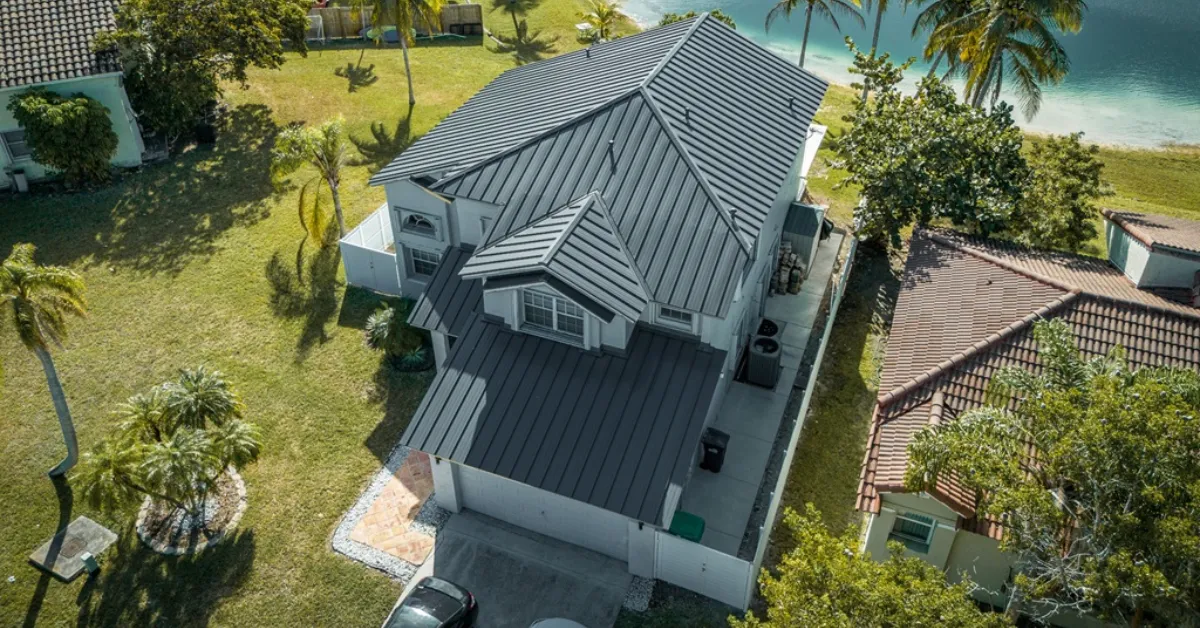
How to Install a Slate Roof: 7 Expert Tips
How to install a slate roof correctly? It starts with proper deck preparation, accurate headlap calculations, correct nail placement, and precise flashing integration. Done right, a natural slate roof can last 75 to 100+ years, making it one of the most durable roofing systems available.
In Hialeah Florida, including Hialeah and Miami-Dade County, slate roofing requires careful structural evaluation due to weight, wind uplift ratings, and Florida Building Code standards. Many homeowners underestimate the complexity. Slate is not just another roofing tile. It is a heavy, natural stone system that demands precision tools such as a slate hammer, ripper, copper nails, and proper underlayment installation. At G&R Windows, Doors & Roofing, we install high-performance roofing systems built for longevity and storm resistance. While metal roofing is common in Hialeah Florida, slate offers unmatched lifespan and architectural elegance when installed properly.
In this guide, we break down slate roof installation step by step, explain key concepts like headlap and flashing details, and show you how to avoid costly mistakes. If you want professional-grade insight before starting a slate roofing project, you’re in the right place.
What Is a Slate Roof and Why Choose It?
We’ve had homeowners in Hialeah look up at a 100-year-old slate roof and ask me, “Is that really stone?” Yes, it is. A slate roof is made from natural stone cut into thin tiles, installed in overlapping courses to create one of the most durable roofing systems in the world.
If you’re researching how to install a slate roof, it’s important to understand what makes slate different before diving into the step-by-step process. Unlike asphalt or metal, slate relies on precise headlap, exposure calculations, and correct nail placement to shed water properly.
At G&R Windows, Doors & Roofing, we install high-performance roofing systems across Miami-Dade County. While slate is less common in Hialeah Florida than metal, it remains one of the longest-lasting and most elegant options when installed correctly.
Natural Slate vs Synthetic Slate Roofing
Not all slate roofs are the same.
Natural Slate:
Real stone quarried and split
Lifespan: 75–100+ years
Heavier, requires structural assessment
Installed using copper or stainless steel nails
Polymer or composite material
Lighter weight
Easier installation
Shorter lifespan compared to natural stone
Natural slate installation requires specialized tools like a slate hammer, slate ripper, chalk line, and proper underlayment systems.
Key Benefits of Slate Roofing
A properly installed slate roof offers:
Exceptional durability against wind and fire
Natural resistance to mold and rot
Minimal long-term maintenance
Timeless architectural appeal
Correct slate roof headlap chart calculations, proper coursing, and step flashing integration are critical to achieving this lifespan.
Is Slate Roofing Suitable for Hialeah Florida Homes?
In Hialeah Florida, installation must consider:
Minimum slope requirements
Wind uplift resistance
Underlayment upgrades for heavy rain
Structural support for weight
When installed with proper fastening patterns and flashing details, slate can perform well even in hurricane-prone regions.
Before You Start: Structural Requirements and Roof Preparation
We've stood on homes in Hialeah where a homeowner says, “Let’s just swap the shingles for slate.” That’s when we pause. Slate is not just another roofing material. It’s natural stone, and installing it without proper preparation can cause structural issues, leaks, or premature failure.
Before you begin learning to install a slate roof, you must confirm the roof structure, slope, and waterproofing layers are suitable. At G&R Windows, Doors & Roofing, we always start with a full structural and deck evaluation before recommending slate installation in Hialeah Florida.
Minimum Roof Pitch for Slate Installation
Slate requires adequate slope to shed water properly.
Most natural slate systems require a minimum 4:12 pitch
Lower slopes may require increased headlap
Steeper slopes improve drainage and longevity
Correct headlap and exposure calculations are critical. Improper slope or miscalculated coursing can compromise water resistance.
Weight Considerations and Structural Reinforcement
Slate is heavy.
Natural slate weighs 800 to 1,500 pounds per square (100 sq ft)
Asphalt shingles weigh significantly less
Before installation, the roof framing must support the added load. In Hialeah Florida, we assess trusses, rafters, and load distribution to ensure compliance with local structural standards. If reinforcement is needed, it must be addressed before installation begins.
Decking Requirements (Plywood vs Solid Wood Sheathing)
Slate performs best over:
Solid wood decking
High-quality plywood rated for structural load
Decks must be flat, secure, and properly fastened. Uneven decking affects nail placement and slate alignment.
Underlayment Options (Synthetic vs Ice & Water Shield)
Underlayment acts as secondary protection. Common options include:
Synthetic underlayment for breathability
Peel-and-stick waterproof membranes in valleys and eaves
In Hialeah Florida, heavy rain and hurricane conditions make upgraded underlayment highly recommended.
Tools and Materials Needed to Install a Slate Roof
Before anyone in Hialeah climbs onto a roof thinking about how to install a slate roof, we always say one thing first: slate is precision work. You cannot install it properly with standard roofing tools alone. Slate is natural stone. It must be cut, aligned, and fastened correctly to last 75 to 100+ years.
At G&R Windows, Doors & Roofing, we use specialized tools and corrosion-resistant materials to ensure durability, especially in Hialeah Florida’s humid and storm-prone environment.
Essential Slate Roofing Tools (Hammer, Ripper, Cutter, Chalk Line)
A proper slate roof tools list includes:
Slate hammer – Used to trim, punch nail holes, and shape slate tiles
Slate ripper – Essential for removing damaged or misaligned slates
Slate cutter or guillotine – Provides clean, controlled cuts
Chalk line – Maintains straight courses and consistent exposure
Measuring tools – For calculating headlap and coursing layout
Precision layout is critical. Incorrect exposure or misaligned courses can cause leaks.
Fasteners (Copper vs Stainless Steel Nails)
Fasteners must resist corrosion.
Solid copper nails – Traditional, highly durable
Stainless steel nails – Strong and corrosion-resistant
Proper nail hole placement is essential. Nails should not be overdriven. Slate must hang freely without stress.
Flashing Materials (Copper, Step Flashing, Valleys)
Flashing protects vulnerable areas such as:
Valleys
Chimneys
Dormers
Roof-to-wall transitions
Copper flashing is often preferred for slate because it matches the roof’s lifespan. In Hialeah Florida, high-quality step flashing and valley flashing are critical to handle heavy rain and hurricane conditions. Using the correct tools and materials ensures your slate roof installation performs safely and efficiently for decades.
Step-by-Step Guide: How to Install a Slate Roof Properly
When we explain how to install a slate roof to homeowners in Hialeah, we always start with this: slate is unforgiving. One incorrect headlap measurement or overdriven nail can compromise decades of durability. Done correctly, however, a slate roof can last 75 to 100+ years, even in demanding climates.
At G&R Windows, Doors & Roofing, we follow a structured process that prioritizes precision, drainage, and code compliance. Below is a simplified but professional-grade breakdown of slate roof installation step by step.
Step 1 – Install Drip Edge and Underlayment
Preparation protects the entire system.
Install metal drip edge along eaves and rake edges.
Apply high-quality underlayment across the deck.
Synthetic underlayment for breathability
Ice and water shield in valleys and eaves for added protection
Ensure full coverage with proper overlaps.
In Hialeah Florida, upgraded underlayment is critical to handle heavy rain and wind-driven moisture.
Step 2 – Establish Layout Lines and Calculate Headlap
This step determines water-shedding performance.
Measure roof slope to confirm minimum pitch (typically 4:12 or greater).
Calculate required headlap based on slope.
Mark exposure using a chalk line.
Determine coursing and spacing consistency.
A proper slate roof headlap chart ensures that water cannot penetrate between courses.
Step 3 – Install Starter Course and First Slate Course
The starter course sets alignment for the entire roof.
Install a double starter course at the eave.
Ensure the first visible course aligns perfectly with chalk lines.
Maintain consistent overhang beyond the drip edge.
Any misalignment here multiplies as you move upward.
Step 4 – Proper Nail Placement and Fastening Technique
Slate should hang, not be clamped.
Use copper or stainless steel nails.
Place nails in pre-punched holes.
Do not overdrive nails.
Leave slight freedom for expansion.
Incorrect slate roof nail placement is one of the most common failure points.
Step 5 – Field Slate Installation Pattern and Exposure
Continue installing courses upward.
Maintain uniform exposure.
Offset joints between courses.
Inspect alignment frequently.
Replace cracked pieces immediately.
Consistency in coursing ensures both visual appeal and long-term water resistance.
Step 6 – Installing Valleys, Hips, and Ridges
These areas require precision.
Install copper valley flashing before adjacent slate.
Cut slates cleanly along valley lines.
Use ridge caps or specially cut slate pieces at roof peaks.
Valleys handle concentrated water flow, so proper flashing is essential.
Step 7 – Flashing Around Chimneys, Dormers, and Penetrations
Penetrations are high-risk areas.
Install step flashing integrated between courses.
Add counter flashing at chimneys.
Seal transitions carefully without relying on caulk alone.
Common Slate Roof Installation Mistakes to Avoid
We’ve seen beautiful slate roofs fail within a few years simply because small technical rules were ignored. When learning to install a slate roof, understanding what not to do is just as important as following the steps correctly.
Slate is extremely durable, but installation errors can shorten its lifespan dramatically. At G&R Windows, Doors & Roofing, we inspect roofing systems in Hialeah and across Hialeah Florida County where minor mistakes led to leaks, cracked tiles, or premature failure.
Overdriving Nails or Incorrect Nail Hole Placement
Slate should hang naturally on its fasteners. Common errors include:
Driving nails too tight, which causes stress cracks
Placing nails too low on the slate
Using improper nail types instead of copper or stainless steel
Correct slate roof nail placement ensures each tile can expand and contract without cracking.
Improper Headlap and Exposure Calculation
Headlap is the vertical overlap between slates. If miscalculated:
Water can penetrate between courses
Wind-driven rain can bypass protection
Long-term leakage becomes inevitable
Using a proper slate roof headlap chart and measuring slope accurately prevents this issue.
Poor Flashing Integration
Slate itself sheds water well, but flashing handles vulnerable transitions. Failures often occur at:
Valleys
Chimneys
Dormers
Roof-to-wall connections
Copper step flashing and properly layered valley flashing are essential for durability, especially in Hialeah Florida’s heavy rain climate.
Ignoring Ventilation and Moisture Control
Without proper attic ventilation:
Heat buildup stresses materials
Condensation forms beneath slates
Underlayment deteriorates faster
In humid regions like Hialeah, Florida, ventilation and moisture management are critical for long-term performance. Avoiding these mistakes is what allows a slate roof to truly reach its 75–100+ year potential.
Slate Roof Installation in Hialeah Florida: Special Considerations
We’ve had homeowners in Hialeah say, “If slate lasts 100 years in the Northeast, it should be even easier here.” The reality is different. Installing a slate roof in Hialeah Florida requires adapting to hurricane winds, intense UV exposure, humidity, and coastal salt air.
When installing a slate roof, you must consider regional factors. At G&R Windows, Doors & Roofing, we evaluate every slate project in Hialeah, Florida against structural load requirements and local code compliance before installation begins. Here’s what makes Hialeah Florida unique.
Florida Building Code and Wind Uplift Standards
Hialeah Florida falls under some of the strictest roofing standards in the country. Key considerations include:
Compliance with Florida Building Code (FBC)
Proper wind uplift resistance
Fastening patterns that meet local inspection requirements
Slate must be secured using corrosion-resistant fasteners and proper nail placement. Incorrect fastening can lead to tile displacement during severe storms.
Hurricane Resistance and Structural Fastening
Slate is heavy, which can be beneficial in wind events if properly installed. However, fastening technique matters.Best practices include:
Using copper or stainless steel nails
Ensuring correct headlap and exposure
Reinforcing roof framing if needed
In hurricane-prone Hialeah, Florida, structural evaluation before installation is essential.
Heat, Humidity, and Coastal Exposure Factors
Hialeah Florida roofs endure:
High UV exposure
Frequent heavy rainfall
Elevated humidity levels
Salt air near coastal zones
Proper underlayment, ventilation, and flashing integration are critical. Moisture control prevents condensation beneath slate, while upgraded waterproofing protects against wind-driven rain.
At our company, we design roofing systems that account for these environmental stresses so a slate roof can perform safely and reliably even in Hialeah Florida’s demanding climate.
Slate Roof vs Metal Roof: Installation Complexity and Longevity
When homeowners in Hialeah ask me which is harder to install, slate or metal, we usually smile and say, “Slate demands precision. Metal demands engineering.” Both are premium roofing systems, but their installation complexity and long-term performance differ significantly. If you’re interested to know about slate roofs, it’s important to understand how it compares to metal roofing, especially in Hialeah Florida’s climate.
At G&R Windows, Doors & Roofing, we install both systems across Hialeah, Florida and help homeowners choose based on structure, budget, and longevity goals.
Installation Skill Level Comparison
Requires specialized tools like slate hammer and ripper
Precise headlap and exposure calculations
Careful nail placement to prevent cracking
Heavy material requiring structural evaluation
Faster installation process
Requires engineered fastening patterns
Standing seam systems need skilled seam forming
Easier to handle than stone
Slate is more labor-intensive and less forgiving of mistakes.
Lifespan and Maintenance Differences
Natural slate: 75 to 100+ years
Metal roofing: 40 to 70 years
Slate requires minimal maintenance but demands precision installation. Metal may need periodic fastener checks depending on system type.
Cost and Structural Considerations
Slate is heavier and typically more expensive upfront. It may require structural reinforcement. Metal is lighter and often more cost-effective initially. In Hialeah Florida, wind uplift standards, heat exposure, and code compliance influence both systems. At our company, we assess structure and long-term goals before recommending the right solution.
When to Hire a Professional Slate Roofing Contractor
We’ve met confident homeowners in Hialeah who watched a few videos on how to install a slate roof and thought, “I can handle this.” Slate roofing is one of the most demanding roofing systems to install. Mistakes are expensive, and safety risks are real.
While small repairs may be manageable for experienced individuals, full slate roof installation is often best left to trained professionals. At G&R Windows, Doors & Roofing, we handle structural evaluation, fastening standards, and code compliance across Hialeah, Florida to ensure long-term performance. Here’s when hiring a professional makes sense.
Signs the Project Is Too Complex for DIY
Roof pitch exceeds safe working angle
Structural reinforcement may be required
Multiple dormers, valleys, or chimneys
Limited experience with headlap and exposure calculations
Lack of proper slate roofing tools
Incorrect nail placement or flashing integration can lead to leaks that are difficult to trace later.
Safety Risks and Liability Considerations
Slate is heavy and brittle. Working at height with stone materials increases risk of:
Falls
Material breakage
Structural deck damage
Professional contractors carry insurance and follow safety protocols to reduce liability.
Long-Term Warranty and Compliance Benefits
Hiring a licensed contractor ensures:
Compliance with Florida Building Code
Proper fastening for wind resistance
Documented installation records
Warranty protection
At our company, we build roofing systems designed for durability and local compliance, giving homeowners peace of mind that their slate roof will perform safely for decades.
Final Thoughts
Installing a slate roof is a precision-driven process that depends on proper structural preparation, accurate headlap calculations, correct nail placement, and high-quality flashing integration. As we covered in this guide on how to install a slate roof, success comes from understanding tools, layout math, minimum slope requirements, and Florida Building Code considerations, especially in Hialeah and across Miami-Dade County. Whether you’re comparing natural slate vs synthetic slate installation or evaluating long-term durability, the right preparation makes all the difference.
At G&R Windows, Doors & Roofing, we design and install roofing systems built for Hialeah Florida’s climate, including slate, metal, impact windows, and doors for complete storm protection. If you’re considering a slate roof or need a professional evaluation, contact us today for an inspection and detailed consultation with G&R Windows, Doors & Roofing.
FAQs About Installing a Slate Roof
Question: Can I Install Slate Over Existing Shingles?
In most cases, no. Slate is significantly heavier than asphalt shingles. Installing it over existing shingles can overload the structure and compromise fastening integrity. A proper tear-off and structural inspection are strongly recommended before slate installation.
Question: How Long Does Slate Roof Installation Take?
For an average residential home:
5 to 7 days for simpler rooflines
7 to 14 days for complex roofs with dormers, valleys, or chimneys
Slate installation is slower than metal or shingle roofing because of precise layout, headlap calculation, and careful nail placement.
Question: What Is the Minimum Roof Pitch for Slate?
Most natural slate systems require a minimum 4:12 roof pitch. Lower slopes may require increased headlap or special waterproofing strategies.
Question: How Much Does Slate Roof Installation Cost?
Slate is a premium material. Installation costs vary based on roof size, complexity, and structural reinforcement needs. Natural slate typically costs more than metal or shingles due to labor intensity and material weight.
Question: How Long Does a Slate Roof Last?
A properly installed natural slate roof can last 75 to 100+ years. Longevity depends on correct underlayment, flashing, ventilation, and fastening techniques.
