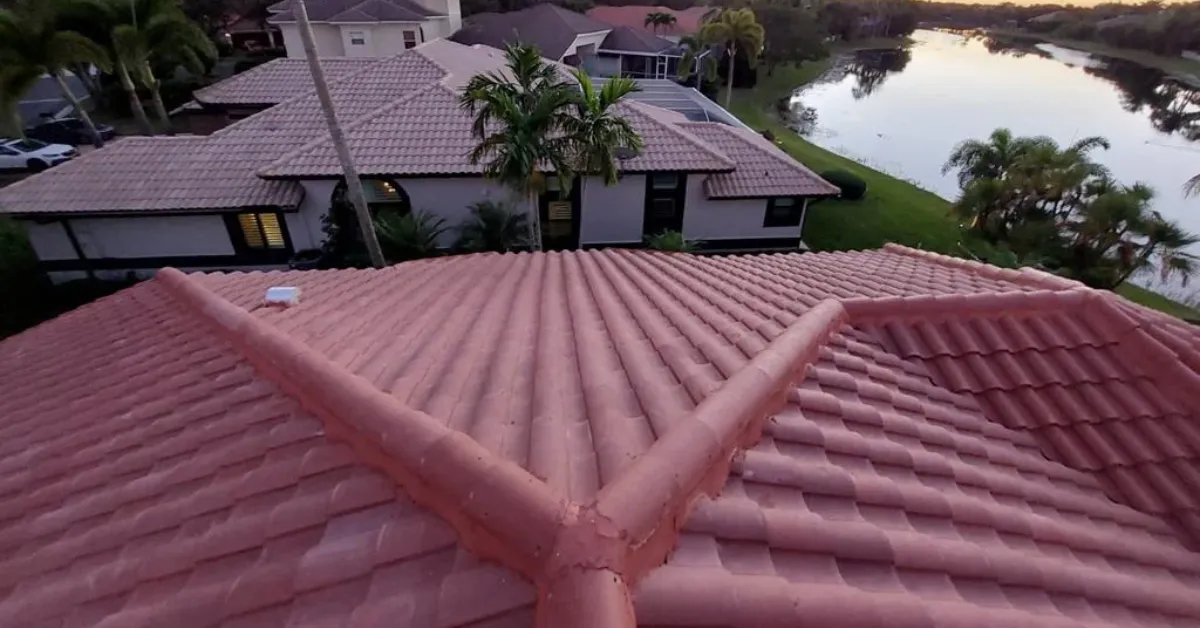
How to Install a Tile Roof in Florida: Expert Tips
How to install a tile roof in Florida starts with understanding Florida’s strict building codes, high wind exposure, and inspection process. If you are a homeowner in Hialeah, Dania Beach, or Miami Lakes, the biggest pain point is not the tiles themselves; it is doing the installation the right way so it passes inspection and survives hurricane conditions.
At G&R Windows, Doors & Roofing, we see many failed tile roofs caused by incorrect underlayment, poor attachment methods, or skipped permits. Our tile roofing services are designed specifically for Florida homes, where HVHZ requirements, Florida Product Approval, and Miami-Dade NOA rules matter as much as workmanship.
According to the Florida Building Code and FEMA guidance, most tile roof failures occur at attachment points and flashing zones during high winds. That is why this guide walks you through the exact process, expert tips, and common mistakes to avoid. By the end, you will know what a compliant installation looks like and when it makes sense to hire a licensed Florida roofer.
Understanding Tile Roof Installation in Florida
Ever wondered why two tile roofs can look identical but fail very differently during a storm? In Florida, the answer almost always comes down to how the roof was installed, not just what tiles were used. How to install a tile roof in Florida is less about stacking tiles and more about engineering for hurricanes, inspections, and year-round heat and moisture.
Florida sits in one of the most aggressive roofing environments in the US. High winds, wind driven rain, salt air, and extreme UV exposure all affect tile roof performance. At G&R Windows, Doors & Roofing, we design and install tile roofing systems specifically for Florida homes, not generic standards used in calmer climates. Our roofing services follow Florida Building Code rules, inspection sequencing, and high wind attachment methods that protect homes in Miami-Dade, Broward, and Palm Beach counties.
Why Florida Tile Roof Installation Is Different
Florida divides roofing requirements by wind risk.
HVHZ counties like Miami-Dade and Broward require stricter attachment methods, approved underlayment systems, and enhanced inspections.
Non-HVHZ counties still require wind uplift resistance but allow more flexibility in materials and fastening methods.
Wind uplift and water intrusion are the two biggest failure risks. According to FEMA and Florida Building Code guidance, most roof failures start at attachment points, underlayment seams, or flashing details, not the tile surface itself. That is why inspections focus heavily on these areas.
Concrete Tile vs Clay Tile Roofs in Florida Homes
Florida homes typically use two tile types.
Concrete tile roofs are heavier, cost effective, and widely approved for high wind zones.
Clay tile roofs offer classic aesthetics and durability but require precise attachment and approved systems.
Both can perform well in hurricanes when installed correctly. The difference is not the tile, it is the method.
If you want deeper protection strategies, see our internal guide on storm proof roofing systems in Florida. For technical standards, FEMA and the Florida Building Code provide authoritative roofing guidance used statewide.
This section helps homeowners understand what compliant installation really means before choosing materials or a contractor.
Florida Codes, Permits, and Local Requirements
Installing a tile roof in Florida is not just a construction task, it is a code-driven process. Many homeowners are surprised to learn that most tile roof failures happen before the final inspection, not years later. When people search how to install a tile roof in Florida, what they really need is clarity on codes, permits, and inspections that protect their home and insurance coverage.
At G&R Windows, Doors & Roofing, we follow Florida Building Code requirements on every roofing project because even small mistakes can cause inspection failure, delays, or denied insurance claims. Our roofing services are designed around Florida’s permitting and inspection system, especially in hurricane-prone areas like Miami-Dade and Broward County.
Florida Building Code and HVHZ Requirements Explained
Florida uses one statewide building code, but requirements change based on wind exposure.
HVHZ counties, including Miami-Dade and Broward, have stricter rules for tile attachment, underlayment systems, and wind uplift resistance.
Non-HVHZ counties still require compliance, but with slightly more flexibility in approved methods.
Inspections commonly fail due to:
Incorrect underlayment installation
Unapproved fastening or adhesive systems
Missing documentation for high-wind approvals
According to the Florida Building Code and FEMA hurricane studies, attachment and water barrier issues are the leading causes of roof damage during storms.
Florida Product Approval and Miami-Dade NOA Basics
Every major roofing material used in Florida must have Florida Product Approval. In HVHZ areas, materials also require a Miami-Dade Notice of Acceptance (NOA).
Homeowners can verify compliance by:
Checking product approval numbers on manufacturer data sheets
Matching approvals with the permit application
Confirming the system is approved for tile roofing, not just shingles
Using non-approved materials can stop a project instantly.
Permit and Inspection Process in Florida Counties
Tile roof installation typically requires multiple inspections.
Permit approval before work begins
Pre-dry-in inspection, after underlayment is installed
Final inspection, after tile, flashing, and ridges are complete
Skipping or failing any step can delay occupancy and void warranties.
For a deeper look at compliant systems, see our internal article on storm-proof roofing solutions in Florida. For official references, review the Florida Building Code and FEMA roofing guidance, both widely used by inspectors statewide.
Understanding these rules upfront saves time, money, and stress.
Materials Needed for a Florida Tile Roof Installation
One of the biggest mistakes homeowners make when learning how to install a tile roof in Florida is assuming the tile is the most important material. In reality, Florida inspectors and insurance providers care far more about what sits under and around the tile. Wind uplift, wind driven rain, heat, and humidity mean every layer must work as a system.
At G&R Windows, Doors & Roofing, we select roofing materials based on Florida Building Code approval, HVHZ exposure, and long term performance. Our roofing services focus on systems that pass inspection and protect homes in Miami-Dade, Broward, and Palm Beach counties.
Underlayment Types Approved for Florida Tile Roofs
Underlayment is the primary water barrier for tile roofs in Florida. Tiles shed water, but they are not waterproof.
Approved options typically include:
Peel-and-stick underlayment, widely used in HVHZ areas for superior wind and water resistance
Synthetic underlayment systems, often installed in multiple layers depending on roof slope and code zone
Secondary water barrier systems, required in many Florida jurisdictions to reduce interior water damage during storms
According to FEMA and Florida Building Code guidance, roofs with properly sealed underlayment systems perform significantly better during hurricanes.
Tile Attachment Systems Used in Florida
Tile attachment is where many roofs fail inspections.
Common Florida-approved systems include:
Mechanical fasteners, such as screws or nails rated for wind uplift
Foam adhesive systems, allowed when installed per product approval and manufacturer instructions
Batten systems, often used to improve drainage and airflow beneath tiles
The correct method depends on wind zone, roof design, and tile type. Using the wrong attachment method can lead to uplift failure even if the tile itself is approved.
Flashing, Fasteners, and Roofing Accessories
Small components play a huge role in roof durability.
Critical accessories include:
Valley flashing, to channel heavy rain safely off the roof
Vent and chimney flashing, common leak points during storms
Ridge and hip systems, designed to lock tiles and block wind driven rain
For added protection strategies, see our internal guide on storm-proof roofing systems in Florida. For official material standards, FEMA and the Florida Building Code provide detailed roofing guidance used by inspectors statewide.
Choosing the right materials ensures your tile roof is built for Florida conditions, not just appearance.
How to Install a Tile Roof in Florida: Step-by-Step
Installing a tile roof in Florida is a system build, not a surface job. The tiles protect from sun and debris, but wind resistance and waterproofing come from what you do underneath. At G&R Windows, Doors & Roofing, we follow a step-by-step process designed for Florida inspections, hurricanes, and long-term performance. This is the practical sequence inspectors expect to see when reviewing how to install a tile roof in Florida.
Step 1: Roof Tear-Off and Deck Inspection
Every compliant installation starts with a clean slate.
Remove existing roofing down to the structural deck
Inspect plywood or concrete deck for rot, cracks, or delamination
Replace damaged decking before moving forward
Why it matters: Florida inspections fail when underlayment is installed over weak or damaged decking. Structural readiness determines whether the roof can handle tile weight and wind uplift.
Step 2: Installing the Secondary Water Barrier
This is the most critical step in Florida.
Seal deck seams and fasteners
Install a code-approved secondary water barrier system
Ensure full adhesion at edges and penetrations
Why this step matters most: During hurricanes, tiles may shift or break. The secondary water barrier is what prevents water intrusion. FEMA studies show homes with sealed decks experience significantly less interior damage during storms.
Step 3: Underlayment Installation for Tile Roofs
Underlayment acts as the primary waterproof layer. Key installation rules include:
Proper overlaps according to roof slope and wind zone
Fully sealed fasteners in HVHZ areas
Inspection approval before tile placement
Florida counties often require a pre-dry-in inspection at this stage. Skipping it can delay the project or force reinstallation.
Step 4:Tile Layout and Roof Planning
Tile layout affects both appearance and performance.
Snap exposure lines to ensure even spacing
Plan starter courses at eaves for drainage and wind resistance
Confirm alignment at valleys and ridges
Poor layout causes uneven loads and creates uplift points that inspectors notice immediately.
Step 5: Batten System or Direct-to-Deck Installation
This is a decision step, not a preference step. Choose based on:
Wind zone requirements
Tile type and weight
Product approval documentation
Batten systems improve drainage and airflow. Direct-to-deck systems reduce movement when installed correctly. The wrong choice can fail inspection even with approved materials.
Step 6: Securing Tiles for High Wind Resistance
Tile attachment determines storm performance. Approved methods include:
Mechanical fasteners, such as screws rated for uplift
Foam adhesive systems, installed per manufacturer approval
Hybrid systems, combining adhesives and fasteners
Inspectors check spacing, embedment depth, and adhesive patterns. Improper attachment is one of the top causes of tile roof failure in Florida hurricanes.
Step 7: Installing Hips, Ridges, and Weather Blocking
This is where many roofs fail.
Install approved hip and ridge systems
Add weather blocking to prevent wind driven rain
Secure ridge tiles with rated fasteners or adhesives
Hips and ridges experience the highest wind pressure. Florida Building Code guidance emphasizes reinforced attachment in these areas.
Step 8: Flashing Valleys, Vents, and Penetrations
Most roof leaks start here. Critical areas include:
Valley flashing with proper overlap and water flow
Vent pipe boots sealed to underlayment and tile
Chimney flashing integrated into the water barrier
Clean flashing work protects the roof long after installation.
Step 9: Final Inspection, Cleanup, and Warranty Review
Before closing the permit:
Schedule the final inspection
Confirm all approvals match installed materials
Review warranties and maintenance guidelines
Inspectors look for documentation, proper attachment, flashing integrity, and overall workmanship.
For added protection strategies, see our internal guide on storm-proof roofing solutions in Florida. For authoritative standards, Florida Building Code publications and FEMA roofing guidance explain why these steps matter statewide. Following this sequence ensures your tile roof is installed to survive Florida conditions, not just pass the first storm.
Common Tile Roof Installation Mistakes in Florida
Most tile roof failures in Florida do not happen because of bad tiles. They happen because of avoidable installation mistakes. When homeowners research how to install a tile roof in Florida, they often focus on materials and miss the compliance details that inspectors and insurance companies care about most. At G&R Windows, Doors & Roofing, we are often called to fix roofs that looked fine on day one but failed after the first major storm.
Skipping Permits or Using Non-Approved Materials
This is one of the most expensive mistakes.
Installing without permits can void insurance coverage
Using materials without Florida Product Approval or Miami-Dade NOA can fail inspection
Unpermitted work can delay home sales or reduce property value
Insurance adjusters and inspectors check documentation first, not appearance. A roof that is not approved on paper is treated as non-compliant, even if it looks well built.
Incorrect Tile Attachment or Underlayment Installation
Many real-world failures start below the tile. Common issues include:
Improper fastener spacing or depth
Foam adhesive systems applied outside approved patterns
Underlayment overlaps that do not meet Florida Building Code requirements
According to FEMA and Florida Building Code research, wind uplift failures usually begin where tiles are poorly secured or where the secondary water barrier was not sealed correctly. Once wind enters these weak points, damage spreads quickly.
Poor Flashing and Drainage Design
Water does not need much space to cause damage. Leak-prone areas include:
Valleys without proper metal flashing
Chimney and vent penetrations sealed only at the surface
Improper ridge and hip drainage design
Poor flashing allows water to bypass the tile and reach the deck, leading to rot, mold, and interior leaks. For prevention strategies, review our internal article on storm-proof roofing systems in Florida. For authoritative guidance, FEMA and the Florida Building Code outline common roofing failure patterns observed after major hurricanes. Avoiding these mistakes is the difference between a roof that lasts decades and one that fails early.
Tile Roof Installation Cost and Timeline in Florida
One of the first questions homeowners ask when researching how to install a tile roof in Florida is simple. How much will it cost and how long will it take. The answer depends on your home, location, and code requirements, not just tile choice. At G&R Windows, Doors & Roofing, we walk clients through realistic pricing and timelines so there are no surprises during installation.
How Much Does It Cost to Install a Tile Roof in Florida
Tile roofing is a premium system, but it also offers long term value and durability.
Typical cost per square foot in Florida ranges from:
$15 to $30 per square foot, depending on tile type, roof pitch, and structure
Higher ranges in HVHZ areas like Miami-Dade and Broward due to stricter attachment and inspection rules
Key cost variables include:
Concrete vs clay tile selection
Roof height, slope, and access
Deck repairs or structural upgrades
Permit fees and inspection requirements
Homes near the coast may also require corrosion resistant fasteners, which can increase material costs slightly.
Installation Timeline for Florida Tile Roofs
A full tile roof installation usually takes 2 to 4 weeks, but timelines vary. Common factors that affect scheduling:
Weather delays, especially during hurricane season
Inspection timing, including pre-dry-in and final approval
Material lead times, particularly for specialty tiles or approved systems
Inspections often pause work until approval is granted, which is normal in Florida.
For planning protection upgrades, see our internal guide on storm-proof roofing solutions in Florida. For cost and timeline benchmarks, FEMA and Florida Building Code resources provide statewide roofing guidance used by contractors and inspectors. Understanding cost and timing upfront helps homeowners plan smarter and avoid rushed decisions.
DIY vs Professional Tile Roof Installation
Can You Install a Tile Roof Yourself in Florida
Many homeowners ask if they can handle how to install a tile roof in Florida on their own to save money. While DIY roofing may work in calmer climates, Florida is different. Tile roofs are heavy, code-driven, and inspected in stages. One mistake can lead to failed inspections, leaks, or denied insurance claims.
Risks of DIY Tile Roof Installation
Installing a tile roof without professional experience comes with serious risks.
Safety risks: Tile roofs are slippery and heavy. Falls and injuries are common during DIY attempts.
Code compliance issues: Florida Building Code, HVHZ rules, and product approvals are complex. Missing one requirement can stop the project.
Insurance problems: Unpermitted or non-compliant work can void homeowners insurance and reduce resale value.
FEMA and Florida Building Code data show that many hurricane-related roof failures are linked to improper attachment and underlayment installation, two areas where DIY errors are common.
When Hiring a Licensed Florida Roofer Makes Sense
Hiring a licensed roofer is often the smarter and safer choice, especially in Florida. At G&R Windows, Doors & Roofing, we install tile roofing and storm-proof roofing systems designed for Florida wind zones and inspections. Our team manages permits, inspections, approved materials, and proper attachment methods from start to finish.
Professional installation makes sense when:
Your home is in Miami-Dade, Broward, or another high wind area
You want long term durability and insurance compliance
You prefer a warranty backed installation with inspection approval
DIY knowledge helps you ask better questions, but professional installation protects your home when storms hit.
Conclusion
Installing a tile roof the right way in Florida comes down to preparation, approved materials, and strict attention to code. Throughout this guide on how to install a tile roof in Florida, we covered why climate, wind zones, permits, and inspections matter, especially in areas like Miami-Dade, Broward, and Palm Beach County. We also explained key tile roof installation steps, common mistakes, costs, and when professional help makes sense. This information helps you avoid failed inspections, leaks, and insurance issues while giving you confidence to make the right decision for your home.
At G&R Windows, Doors & Roofing, we install tile roofing and storm-proof roofing systems built for Florida conditions. We handle permits, inspections, and code compliance from start to finish so homeowners do not have to guess. If you are planning a new roof or replacement, contact us today through grflorida.com to schedule a consultation and protect your home the right way.
Frequently Asked Questions
Tile Roof Installation FAQs for Florida Homeowners
Below are the most common questions we hear from homeowners researching how to install a tile roof in Florida. These answers are based on real inspection requirements and field experience across South Florida.
How long does a tile roof last in Florida
A properly installed tile roof in Florida can last 40 to 50 years, sometimes longer. Concrete and clay tiles are highly durable, but lifespan depends on correct installation, approved underlayment, and routine maintenance. In high wind areas like Miami-Dade and Broward, roofs that follow Florida Building Code standards consistently outperform poorly installed systems.
Is tile roofing good for hurricanes
Yes, tile roofing performs very well in hurricanes when installed correctly. Tiles are heavy and wind resistant, but the real protection comes from proper attachment methods and a sealed underlayment system. According to FEMA and Florida Building Code guidance, most hurricane roof failures are caused by poor fastening or flashing, not the tile material itself.
Do tile roofs need special underlayment in Florida
Yes. Florida requires approved underlayment systems that act as the primary water barrier. In many areas, especially HVHZ zones, peel-and-stick or multi-layer synthetic underlayment is required. This layer protects your home even if tiles crack or shift during severe weather.
What inspections are required for tile roof installation
Most Florida counties require:
A roofing permit before work begins
A pre-dry-in inspection after underlayment installation
A final inspection after tiles, flashing, and ridges are complete
