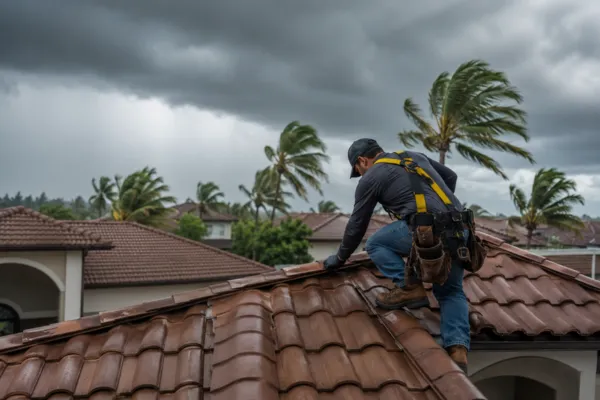
How to Prepare Your Roof for a Hurricane: Florida Homeowner Checklist
A weak roof can turn hurricane rain into ceiling leaks, insulation damage, and costly repairs fast. That is why knowing how to prepare your roof for a hurricane matters before the next storm warning appears.
To prepare your roof for a hurricane, inspect it early, repair loose shingles or cracked tiles, seal weak flashing, clean gutters, trim nearby trees, and document its condition. A licensed roofing professional should check hidden damage and repair unsafe areas before hurricane season.
South Florida homeowners face this risk every year, especially across Hialeah, Miami-Dade, Broward, and Palm Beach. Once a named storm enters the forecast, roofers get booked, supplies move fast, and unsafe roof work becomes harder to schedule.
At G&R Doors, Windows & Roofing, we help local homeowners protect their properties with Storm-Proof Roofing built for hurricane-prone Florida homes.
In this blog, we'll show you how to inspect, repair, clean, document, and strengthen your roof before hurricane season, so your home has a better chance against wind, rain, and flying debris.
Why Roof Preparation Matters Before Hurricane Season
Florida hurricane season runs from June 1 to November 30, according to NOAA. That gives homeowners a clear window to act before storm alerts start filling the news.
Waiting until a named storm appears near South Florida is risky.
Roofers get booked. Hardware stores run low on supplies. Insurance documents suddenly become hard to find. And if the roof already has loose shingles, cracked tiles, weak flashing, or blocked gutters, heavy rain can turn a small issue into a room full of water.
A roof does more than sit on top of the house. It protects the structure, the attic, the ceilings, the electrical system, the insulation, and the people inside. Once wind or water gets past the roof, damage can spread fast.
The problem? Most roof weaknesses stay quiet until a storm exposes them.
Florida Hurricane Season Comes Every Year
Hurricane season does not surprise Florida homeowners. It arrives every year on the same date range, from June 1 through November 30, based on NOAA’s official Atlantic hurricane season guidance.
But storm paths do not follow your schedule.
A system can move from “watching it closely” to “prepare now” in a short time. South Florida homeowners know that feeling. One update shows the cone offshore. The next update brings Miami-Dade, Broward, or Palm Beach closer to the centre line.
That is not the time to wonder whether your roof has loose tiles.
Prepare early. Start with a roof check before peak storm months, especially if your roof has already gone through years of heat, rain, wind, and repairs. Florida sun dries materials out. Afternoon storms test drainage. Small leaks can hide in attic spaces for months.
And here is the thing. A roof that looks fine from the driveway can still have weak flashing, lifted shingles, cracked sealant, or drainage problems.
Your Roof Is Your Home’s First Line of Defence
Your roof takes the first hit during a hurricane.
Rain lands there first. Wind lifts there first. Debris strikes there first. If the roof covering fails, water can reach the underlayment, decking, attic, insulation, and ceilings. One missing shingle may not look dramatic, but during hurricane rain, that small opening can become a direct path inside.
Think about a family in Hialeah during a night storm. The power flickers, the wind pushes rain sideways, and water starts dripping from a ceiling vent. Nobody wants to grab buckets at 2 a.m. because a small roof issue waited too long.
Roof preparation helps reduce that risk.
It does not mean your home becomes storm-proof in every possible situation. Hurricanes can cause serious damage. But a prepared roof gives your home a better chance, and that is the point.
How to Prepare Your Roof for a Hurricane Step by Step
The best way to prepare your roof for a hurricane is to start early, fix visible damage, clear drainage, reduce debris risks, and bring in a licensed roofing professional for anything unsafe or technical.
Do not wait until the forecast cone points at your street.
A good hurricane roof preparation checklist should include inspection, repair, drainage, tree trimming, edge checks, documentation, and professional help where needed. These steps help homeowners reduce water intrusion, wind uplift, and avoidable storm damage.
For South Florida homes, roof preparation also needs local judgement. Tile roofs, shingle roofs, metal roofs, and slate roofs all react differently under wind and rain. A quick look from the ground can help, but it cannot replace a proper roof assessment.
Our Storm-Proof Roofing service helps homeowners strengthen weak roofing systems before hurricane season creates an emergency.
Schedule a Professional Roof Inspection Early
Book a roof inspection before hurricane season gets busy.
A professional roofer can check areas most homeowners cannot see safely from the ground. That includes roof valleys, flashing, vents, fasteners, sealant, soft spots, broken tiles, lifted shingles, and signs of old water intrusion.
Timing matters here. If you inspect the roof in April or May, you still have time to plan repairs. If you wait until late August with a storm forming in the Atlantic, your options shrink fast.
Ask for photos.
A clear inspection report helps you understand what needs repair now and what can wait. It also gives you useful records if you need to discuss roof condition with your insurance provider later.
Repair Loose Shingles, Cracked Tiles, and Exposed Fasteners
Loose roofing materials become weak points during high wind.
On shingle roofs, lifted edges can let wind work underneath the surface. On tile roofs, cracked or displaced tiles can let rain reach underlayment. On metal roofs, exposed or damaged fasteners can create water entry points if crews do not fix them early.
Small roof problems rarely stay small during a hurricane.
Fix missing shingles, cracked tiles, loose ridge caps, damaged sealant, and exposed fasteners before storms arrive. Do not try to patch roof damage yourself if the work requires climbing or handling slippery surfaces.
A ladder is not worth a hospital visit.
Check Flashing, Valleys, Vents, and Skylights
Water loves weak transitions.
Flashing sits around roof edges, chimneys, walls, vents, skylights, and other openings. Valleys carry large amounts of rainwater down the roof. If those areas crack, lift, rust, or separate, water can find a way inside even when the main roof surface looks fine.
Check ceilings under these areas too.
A light brown stain around a vent or skylight can signal a roof leak. Damp attic insulation, musty smells, or dark roof decking can also point to hidden water entry.
Do not ignore slow leaks before hurricane season. Heavy rain will not be polite.
Clean Gutters and Downspouts
Clean gutters help move water away from the roofline.
When gutters clog with leaves, dirt, seed pods, and roof debris, water can back up under roof edges or spill against fascia boards. During hurricane rain, that overflow can happen fast.
Clear the gutters before storm season. Flush downspouts if safe. Check that water drains away from the foundation and does not pool near the home.
A simple gutter cleaning can save a lot of stress.
If your gutters sag, pull away from the fascia, or overflow during normal rain, fix them before hurricane season. Strong roof protection needs working drainage.
Trim Trees and Remove Loose Outdoor Debris
Branches do real damage during hurricanes.
Trim trees that hang over the roof, especially weak branches, dead limbs, and palm fronds near roof edges. Keep enough distance so wind cannot slam branches into tiles, shingles, vents, gutters, or skylights.
Picture a loose patio chair sitting outside during a tropical storm warning. At 40 mph winds, it looks annoying. At stronger gusts, it becomes a flying object.
Move loose items before storms arrive. Patio furniture, plant pots, garden tools, grills, toys, and loose decorations can all hit the roof or exterior of the home.
The roof should not have to fight your backyard.
Check Soffits, Fascia, and Roof Edges
Wind often attacks roof edges first.
Soffits sit under the roof overhang. Fascia boards run along the roofline. These areas help protect the attic and support drainage components. If they loosen, rot, crack, or separate, wind-driven rain can enter places homeowners rarely check.
Look from the ground.
Do you see gaps under the eaves? Loose soffit panels? Rot near gutter lines? Fascia pulling away? These small signs deserve attention before hurricane season.
Roof edges matter because wind can lift from underneath. Once wind finds a weak edge, it can create more damage across the roofing system.
Document Your Roof Before the Storm
Take photos before hurricane season.
Stand on the ground and capture clear images of each side of the roof, gutters, fascia, soffits, skylights, vents, and any visible damage. Save inspection reports, repair invoices, warranties, product details, and contractor contact information in one folder.
Use your phone and cloud storage.
After a storm, photos can help show what changed. They can also support conversations with your insurance provider, roofer, or adjuster if you need to report damage.
Do this before the rain starts. Nobody wants to search for old roof photos while water drips into the hallway.
What to Do When a Hurricane Is in the Forecast
Once a hurricane enters the forecast, your roof plan should change from repair mode to safety mode.
This is not the time to start major roof work. It is the time to secure what you can from the ground, organise your documents, and avoid risky last-minute decisions. A roof can matter a lot during a storm, but your safety matters more.
The smartest move? Do the roof work early, then use forecast week for final checks.
A good hurricane roof preparation checklist during this stage should focus on three things: stay off the roof, reduce flying debris, and keep your insurance records ready. That is simple, but it works.
Do Not Climb on the Roof Before a Storm
Do not climb onto your roof when a storm is close.
Wind can pick up before the worst weather arrives. Roof surfaces can turn slippery from light rain, humidity, algae, or loose debris. Even a small repair can become dangerous when conditions change quickly.
A loose tile is not worth a fall.
If you notice roof damage after a storm warning, call a licensed roofing professional and ask what can be done safely. Sometimes the honest answer is to wait until conditions improve. That may feel frustrating, but unsafe roof work can create more problems than it solves.
Check from the ground instead. Use your phone camera, binoculars, or a safe second-floor window if you have one. Look for obvious lifted materials, loose gutters, broken branches, or visible openings without stepping onto the roof.
Secure Gutters, Yard Items, and Drainage Areas
Start at ground level.
Clear loose items around the home before wind speeds rise. Patio chairs, plant pots, garden tools, grills, pool toys, loose signs, and outdoor decorations can hit the roof, windows, doors, or gutters during strong gusts.
Think about a metal garden chair sitting beside a patio in Hialeah. It looks harmless on Tuesday. By Friday night, with storm bands moving through, it can become a flying object.
Move what you can indoors. Tie down what you cannot move. Keep drainage areas clear so heavy rain can move away from the home instead of pooling near walls, rooflines, or doors.
Check gutters only if you can do it safely from the ground or with proper help. If your gutters already sag or overflow, do not try risky ladder work as the storm approaches.
That job should happen before forecast week.
Keep Insurance and Roof Documents Ready
Storm preparation is not only physical. Paperwork matters too.
Keep roof photos, inspection reports, repair invoices, product warranties, insurance policy details, and contractor contact information in one easy-to-access folder. Save digital copies on your phone or cloud storage in case the power goes out or paper documents get wet.
Three things help after a storm: proof of roof condition, proof of maintenance, and clear photos of new damage.
Write down your insurance claim number contact, roofer contact, and any warranty details before the weather turns bad. During a storm, stress makes simple tasks harder.
Nobody wants to hunt through drawers with a flashlight.
What to Check After the Hurricane Passes
After the hurricane passes, do not rush onto the roof.
Wait until local officials say conditions are safe. Watch for downed power lines, broken branches, unstable ladders, wet surfaces, sharp debris, and damaged gutters. A roof may look calm from the street, but storm damage can leave weak spots you cannot see.
Start with a ground-level check.
Look around the home slowly. Walk the property if it is safe. Take photos, note damage, and check inside for signs of water. If you see roof damage or suspect a leak, schedule a free roofing consultation so a licensed professional can inspect the problem before it spreads.
Look for Missing Shingles or Cracked Tiles From the Ground
Check the roof from a safe distance.
Look for missing shingles, lifted edges, cracked tiles, slipped tiles, exposed underlayment, loose ridge caps, damaged gutters, dented metal, hanging fascia, or branches sitting on the roof. Do not climb up for a better view.
Use your phone zoom if needed.
A small missing section can let water in during the next rain. Florida storms often come in waves, so post-hurricane roof damage should not wait too long.
Pay close attention to roof edges, valleys, vents, and areas around skylights. These spots often show the first visible signs of wind and water damage.
Check Ceilings and Attic Areas for Leaks
Go inside next.
Look for brown ceiling stains, bubbling paint, damp drywall, dripping around light fixtures, wet insulation, musty smells, or water marks near attic rafters. A leak does not always appear directly under the damaged roof area, because water can travel along beams before it drops.
That trick catches many homeowners off guard.
If you can safely access your attic, use a flashlight and check during daylight. Do not touch wet electrical areas. If you see water near wiring, fixtures, or outlets, keep away and call the right professional.
Mould can grow after moisture sits, so treat damp areas seriously.
Take Photos Before Cleanup
Take photos before you move, throw away, or repair anything.
Capture wide shots and close shots. Photograph the roof from the ground, damaged gutters, fallen branches, ceiling stains, wet floors, damaged belongings, and any visible water paths. Record short videos too if they show active leaking or water movement.
Time matters here.
Photos can support insurance conversations, contractor inspections, and repair planning. They help show what happened before cleanup changed the scene.
Make a simple folder on your phone named with the storm date. It sounds small, but it saves stress later.
Call a Licensed Roofing Contractor for Damage Assessment
Call a licensed roofing contractor if you see damage, smell moisture, or suspect a hidden leak.
High winds can loosen materials without leaving dramatic signs from the ground. A roof may look fine from the driveway, then leak during the next heavy rain because flashing lifted or underlayment got exposed.
That is why a professional inspection matters after a hurricane.
A qualified roofer can check shingles, tiles, metal panels, flashing, vents, valleys, roof edges, decking concerns, and drainage issues. They can also document damage clearly and explain whether the roof needs repair or a larger roofing solution.
Do not let a small post-storm leak become a ceiling repair, insulation problem, and mould concern. Call early.
When Repairs Are Not Enough: Consider Storm-Proof Roofing
Sometimes a repair makes sense. One cracked tile, one loose shingle, one small flashing issue, fix it early and move on.
But some roofs keep sending the same warning signs.
If your roof leaks every hurricane season, loses materials during normal storms, or needs repeated patching in the same area, the problem may run deeper than one damaged spot. Older roofing systems can weaken over time from heat, wind, rain, salt air, poor installation, and years of small repairs.
That is when homeowners need to think beyond a quick patch.
A roof should protect your home, not make you nervous every time the forecast changes. For South Florida families, storm-proof roofing can offer stronger long-term protection than chasing one repair after another. Our metal roofs can last up to 40 years, and slate roofs up to 100 years with proper installation.
Signs Your Roof May Need More Than a Quick Repair
A quick repair may not solve the problem if your roof shows repeated or widespread damage.
Look for patterns. If water stains keep coming back in the same room, if tiles keep slipping after strong winds, or if shingles lift across several areas, your roof may have a larger performance issue.
Some warning signs deserve fast attention:
Repeated leaks after heavy rain can mean the roof has weak underlayment, damaged flashing, or ageing materials that no longer protect the home well.
Missing shingles, cracked tiles, or loose ridge caps across multiple areas can show that wind has already started weakening the roofing system.
Soft spots, sagging areas, or visible dips may point to moisture damage under the surface. Do not ignore this, because roof decking problems can spread.
Old roofing materials near the end of their service life may struggle during hurricane season, even after small repairs.
Storm damage in several roof sections can make full replacement more practical than repairing one area at a time.
The big clue is repetition.
If the same roof problem keeps coming back, the roof is trying to tell you something.
Choosing the Right Hurricane-Ready Roof Type
South Florida homes use different roof types, and each one has its own strengths.
Tile roofing gives many Florida homes a classic look and strong weather performance when crews install it correctly. It can work well for homeowners who want durability and curb appeal. Our Tile Roof Installation South Florida service fits homes that need a strong, attractive roof built for local conditions.
Shingle roofing often gives homeowners a more budget-friendly option. Modern architectural shingles can perform well when the roof system has proper installation, ventilation, underlayment, and edge protection. Our Shingle Roof Installation South Florida service works well for many residential properties.
Metal roofing can be a smart choice for homeowners who want long-term durability and strong weather resistance. It also suits many South Florida homes where heat, rain, and wind all matter. Our Metal Roof Installation South Florida service gives homeowners a stronger upgrade path when repairs no longer make sense.
Slate roofing offers a premium look with long-term value for the right home. It needs skilled installation and proper structural planning. Our Slate Roof Installation South Florida service fits homeowners who want a high-end roof with serious visual appeal.
No roof type wins for every home.
The right choice depends on your roof shape, budget, home style, local code needs, existing damage, and how long you plan to stay in the property.
Why Professional Installation Matters in South Florida
A strong roofing product can still fail if the installation is poor.
That is the part many homeowners miss.
In hurricane-prone areas, installation details matter as much as materials. Fastener placement, underlayment, flashing, valleys, roof edges, ventilation, drainage, and inspection readiness all affect how the roof performs when wind and rain hit hard.
South Florida also has local building code requirements that homeowners should not treat lightly. Miami-Dade and nearby counties face serious wind risk, so roofing work needs careful planning and licensed execution.
A beautiful roof with weak edges is still a weak roof.
Our Storm-Proof Roofing service focuses on helping homeowners choose the right roofing system and install it with hurricane conditions in mind. The goal is not just to replace materials. The goal is to protect the home before the next storm tests it.
Can Roof Preparation Help With Insurance Savings in Florida?
Roof preparation may help with insurance savings in Florida, but homeowners should treat this carefully.
No roofing company should promise one fixed discount for every home. Insurance savings depend on your property, roof condition, policy, insurer, wind mitigation inspection, installed products, and required documentation.
Still, roof preparation can support a stronger insurance profile.
Florida homeowners may qualify for wind mitigation credits when they add approved protective features and provide proper inspection documents. Under Florida statute 627.0629, insurance companies are required to provide homeowners with discounts if their homes are effectively protected against windstorms.
So yes, preparation can matter. But paperwork matters too.
What Wind Mitigation Means for Homeowners
Wind mitigation means strengthening parts of the home so it has a better chance against hurricane-force wind.
For a roof, that can involve roof covering quality, roof deck attachment, roof-to-wall connections, secondary water resistance, opening protection, and other features that an inspector may review. The exact items depend on the inspection form and current insurance requirements.
Think of it as risk reduction.
Your roof, windows, doors, garage door, and structural connections all play a role in how the home handles wind pressure. If one part fails, the rest of the home can face more stress.
A prepared roof can help protect the home physically. A documented roof can help support the conversation with your insurer.
Both matter.
Why Roof Documentation Matters
Keep your roof records in one place.
Inspection reports, repair invoices, product approvals, photos, warranties, contractor details, permit information, and final inspection paperwork can all help if you need to show what work you completed.
Take photos before hurricane season. Take new photos after major repairs. Save digital copies in cloud storage so you can access them even if power or paper records become a problem.
This is not exciting work. Do it anyway.
After a storm, clear records can help your roofer, insurance provider, or adjuster understand roof condition before and after the damage. Without documentation, homeowners often have a harder time showing what changed.
Ask Your Insurance Provider Before and After Upgrades
Call your insurance provider before you assume any discount.
Ask what roof improvements may qualify, what inspection form they require, and what documents they need after work finishes. Some insurers may need a wind mitigation inspection. Others may ask for permits, product details, invoices, or photos.
Ask again after the upgrade.
Insurance rules and policy details can change, so the safest approach is to confirm everything directly with your provider. A roof replacement or major roof improvement can be a smart investment even without a guaranteed discount, but homeowners should know the facts before counting savings.
No guessing. Get it in writing where possible.
Get Hurricane-Ready Roofing Help From G&R
G&R Doors, Windows & Roofing helps South Florida homeowners prepare their homes before hurricane season creates panic.
We work with homeowners who want stronger roofing, better storm protection, and a clearer plan before the next named storm enters the forecast. Our service is built around local needs, because Hialeah and South Florida homes face heat, heavy rain, wind, salt air, and hurricane risk year after year.
We keep the process practical.
First, we help identify the roof issue. Then we explain repair or replacement options in simple language. If the roof needs a stronger system, we guide homeowners towards roofing choices that fit the home, budget, and local requirements.
Roofing Help for Hialeah and South Florida Homes
We serve homeowners across Hialeah, Miami-Dade, Broward, and Palm Beach.
That local focus matters. Roofs in South Florida do not face the same conditions as roofs in a mild climate. Our homes deal with high humidity, intense sun, strong rain, tropical systems, and hurricane-season pressure.
A roof in this area needs more than a nice colour.
It needs proper materials, careful installation, and a team that understands what local homeowners worry about when the forecast turns serious. We also know many families need clear pricing, financing options, and straight answers before starting a large roofing project.
That is why G&R offers free consultations and at-home estimates for homeowners who want to plan before storm season.
Protect More Than the Roof
A hurricane does not attack only the roof.
Wind pushes against the whole home. It tests windows, doors, garage doors, roof edges, gutters, and any weak opening it can find. If one major opening fails, pressure inside the home can increase and create more risk for the structure.
That is why whole-home protection matters.
A stronger roof works best when the rest of the home envelope also has proper protection. Homeowners can pair roofing improvements with Topex Impact Windows, Impact Doors, and Garage Impact Doors for a more complete hurricane-ready plan.
Ready to prepare your roof before the next storm? Book a free roofing consultation with G&R and let us help you protect what matters most. Every roofing project comes with a 5-year parts warranty and 3-year labor warranty.
Conclusion
Preparing your roof before hurricane season gives your home a stronger chance against wind, rain, debris, and costly water damage. The best time to inspect, repair, clean, document, and strengthen your roof is before a storm appears in the forecast.
Your roof protects your family, your belongings, and the place you feel safest. Waiting too long can turn a small issue into a stressful emergency.
G&R Doors, Windows & Roofing helps South Florida homeowners prepare with trusted roofing support, clear guidance, free consultations, and hurricane-ready options built for local homes.
Protect your home now, before the next storm tests it. Storm-Proof Roofing
