How To Tell If Windows Are Impact Resistant: 7 Method
If you're wondering whether your windows are impact resistant, the good news is that there are several simple ways to find out. In most cases, you can identify impact resistant windows by checking glass etchings, manufacturer labels, product approval numbers, laminated glass construction, and installation records. Knowing how to verify your windows is important for hurricane protection, insurance benefits, and home safety, especially in Florida and other coastal regions.
Check for permanent impact glass markings on the glass.
Look for manufacturer labels and certification information.
Verify Florida Product Approval or Miami-Dade approval numbers.
Inspect for laminated glass construction.
Review permit records or schedule a professional inspection.
Impact windows are specially engineered systems designed to withstand impacts from wind-borne debris and severe weather. Many certified products are tested to standards established by the American Society for Testing and Materials (ASTM) and may meet requirements set by Miami-Dade County Product Control and the Florida Building Code.
G & R Windows, Doors & Roofing helps homeowners throughout South Florida determine whether their windows provide the protection they need. We understand that identifying hurricane impact windows can be confusing, especially when labels are missing or records are unavailable. In this article, we will walk you through seven easy ways to check if your windows are impact resistant, explain how to verify certifications, and help you understand why proper identification matters for safety, compliance, and peace of mind.
What Are Impact Resistant Windows
Last month, a homeowner in Hialeah called us convinced her windows were hurricane-rated. When our team inspected them, the glass had no etchings, no approval numbers, and no permit records. They were standard tempered glass, installed before Florida tightened its hurricane codes. She had been paying for wind mitigation credits she was not actually entitled to.
Simply put, impact resistant windows are specially engineered window systems designed to withstand strikes from wind-borne debris during severe storms. Unlike ordinary windows, they use laminated impact glass, reinforced frames, and advanced testing standards to help protect homes from hurricane-force winds.
One of the biggest misconceptions when researching how to tell if windows are impact resistant is confusing tempered glass with impact resistant glass. If you are wondering how to tell if windows are impact resistant in your home, look for permanent glass markings, certification labels, approval numbers, and documentation from previous installations. These clues can help determine whether you have genuine hurricane rated windows or standard glazing systems.
You may also find our related guides on impact window inspections, how topex impact windows help hurricane preparedness, and Florida storm protection helpful as you continue learning how to tell if windows are impact resistant.
Why It Is Important To Know If Your Windows Are Impact Resistant
A surprising number of Florida homeowners discover whether their windows are truly storm-ready only after a hurricane warning is issued. That is why understanding how to tell if windows are impact resistant is more than a home improvement question-it can affect your family's safety, insurance costs, and property protection.
Knowing whether you have impact resistant windows helps you prepare for severe weather and make informed decisions about your home. In South Florida, where hurricanes and tropical storms are a regular concern, Florida impact windows can provide several important advantages:
Protection against wind-borne debris during hurricanes and severe storms.
Improved results during a wind mitigation inspection, which may qualify homeowners for insurance credits.
Potential insurance savings when verified hurricane impact windows meet approved standards.
Enhanced home security because laminated impact glass is significantly harder to penetrate than standard glass.
Reduced risk of flying glass shards that can cause injuries during extreme weather events.
Many insurers require proof through impact window certification, impact window labels, or documented impact glass markings before applying windstorm-related discounts. Homeowners may also need supporting records such as building permit records or approval documentation from organizations like Miami-Dade County Product Control.
At G&R Doors, Windows & Roofing, we frequently help South Florida homeowners verify whether their existing windows meet current hurricane protection standards. Many homeowners are surprised to learn that older windows or undocumented installations may not qualify as certified impact products, making professional verification an important step before hurricane season.
If you are researching how to tell if windows are impact resistant, identifying your windows now can help you avoid costly surprises later. A professional assessment from G&R Windows, Doors & Roofing can provide peace of mind and help ensure your home is prepared for Florida's challenging weather conditions.
How To Tell If Windows Are Impact Resistant
If you are asking how to tell if windows are impact resistant, you are not alone. Many Florida homeowners assume their windows are hurricane-ready only to discover during a storm inspection that they are not. The good news is that there are several reliable ways to verify whether your windows meet impact-resistance standards.
Method 1: Check The Glass Etching
Start by examining the corners of the glass for a permanent etched mark. Most impact resistant windows include information about testing standards, glass type, manufacturer details, and certification codes. These markings often remain visible even after years of use.
Method 2: Look For Manufacturer Labels
Many hurricane impact windows include labels showing the manufacturer, model number, and compliance information. Look for references to impact window certification, Design Pressure (DP) ratings, or standards established by the American Society for Testing and Materials.
Method 3: Inspect The Window Frame Sticker
Window frames often contain stickers displaying product approval information. Some may include impact window approval numbers, Performance Grade (PG) ratings, or approvals from Miami-Dade County Product Control.
Method 4: Identify Laminated Glass Construction
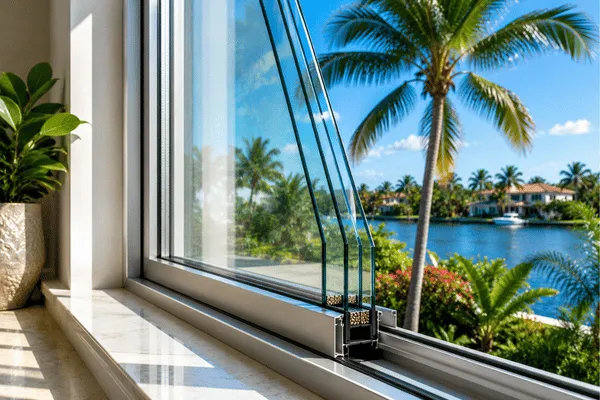
One of the most effective ways to understand how to tell if windows are impact resistant is by inspecting the glass edge. Laminated impact glass contains multiple layers bonded together with an interlayer such as Polyvinyl Butyral (PVB). You may notice a thin layer sandwiched between glass panes.
Method 5: Review Installation Documents
Check warranty paperwork, invoices, product manuals, or inspection reports. These documents often confirm whether the installed windows are hurricane rated windows and identify the approved product model.
Method 6: Search Building Permit Records
Many Florida counties provide online access to building permit records. If your windows were installed under permit, the records may include product approvals, inspection results, and compliance with the Florida Building Code or HVHZ requirements.
Method 7: Schedule A Professional Impact Window Inspection
If labels, documents, or markings are missing, a professional impact window inspection can provide definitive answers. Inspectors can identify impact glass markings, verify compliance with Large Missile Impact Test and Small Missile Impact Test standards, and determine whether your windows qualify for a wind mitigation inspection.
Using several of these methods together is the most accurate way to determine how to tell if windows are impact resistant and whether your home has the protection needed for Florida's hurricane season.
Impact Glass Vs Tempered Glass
Many homeowners researching how to tell if windows are impact resistant assume that tempered glass and impact glass are the same thing. While both are stronger than ordinary glass, they are designed for very different purposes. Understanding the difference can help you identify whether your windows provide true hurricane protection.
What Is Tempered Glass?
Tempered glass is heat-treated to make it stronger than standard glass. When it breaks, it shatters into small, rounded pieces rather than sharp shards, reducing the risk of injury. Because of this safety feature, tempered glass is commonly used in doors, shower enclosures, and certain window applications. However, tempered glass alone is not designed to withstand repeated impacts from wind-borne debris during a hurricane.
What Is Laminated Impact Glass?
Laminated impact glass consists of two or more layers of glass bonded together with a durable interlayer, typically Polyvinyl Butyral (PVB) or SentryGlas. If the glass cracks, the interlayer holds the broken pieces together, helping maintain the building envelope and reducing the risk of dangerous openings during a storm.
Key Differences Homeowners Should Know
Tempered glass breaks into small pieces when impacted.
Impact resistant glass remains largely intact even after cracking.
Tempered glass provides safety benefits but limited storm protection.
Hurricane impact windows undergo rigorous testing, including Large Missile Impact Test and Small Missile Impact Test requirements.
Impact glass is commonly approved under the Florida Building Code and HVHZ standards.
Which Glass Type Offers Hurricane Protection
For homeowners wondering if windows are impact resistant, the answer usually involves identifying laminated glass construction. While tempered glass improves safety, only properly certified impact resistant windows are engineered to withstand hurricane-force conditions and flying debris. If your goal is storm protection, insurance credits, and compliance with Florida building requirements, laminated impact glass is the solution designed for that purpose.
How To Verify Florida Product Approval Numbers
If you are researching how to tell if windows are impact resistant, verifying a product approval number is one of the most reliable methods available. Every approved window product installed in Florida should have documentation showing compliance with state requirements and applicable testing standards.
Understanding Florida Product Approval Numbers
A Florida Product Approval Number is a unique identification code assigned to building products that meet state performance requirements. Many Florida impact windows and hurricane rated windows display these numbers on product labels, frame stickers, warranty documents, or manufacturer literature. These approvals help confirm that a window has undergone required testing for structural performance, water resistance, and impact protection.
Using The Florida Product Approval Database
Homeowners can search the official Florida Product Approval database maintained by the state. Simply enter the approval number, manufacturer name, or product model to review testing information and certifications. If your windows also carry approvals from Miami-Dade County Product Control, you may find additional documentation related to High Velocity Hurricane Zone (HVHZ) requirements.
Checking approval records is one of the most accurate ways to confirm how to tell if windows are impact resistant, especially when impact window labels or installation paperwork are missing.
Impact Windows Vs Hurricane Shutters
Homeowners researching how to tell if windows are impact resistant often wonder whether impact windows or hurricane shutters offer better protection. Both can help defend a home during severe weather, but they differ significantly in performance, convenience, and long-term value.
Protection Comparison
Both systems are designed to protect against wind-borne debris, but impact resistant windows provide continuous protection without requiring any preparation before a storm. Certified hurricane impact windows are tested to withstand powerful impacts and pressure changes while helping maintain the building envelope.
Convenience Comparison
Convenience is one of the biggest advantages of impact windows. Hurricane shutters must be installed or closed before every storm event, which can be time-consuming and difficult, especially for older homeowners. Impact windows are always in place and ready to perform without additional effort.
Cost Comparison
Hurricane shutters generally have a lower upfront cost than Florida impact windows. However, installation costs vary based on shutter type and home size. Impact windows require a larger initial investment but combine storm protection with energy efficiency, noise reduction, and enhanced security.
Long Term Value Comparison
When evaluating long-term value, many homeowners prefer impact resistant glass because it delivers year-round benefits. In addition to hurricane protection, impact windows can improve curb appeal, increase property value, reduce outside noise, and potentially qualify for insurance discounts following a wind mitigation inspection. While shutters remain a practical option, impact windows often provide greater convenience and lasting value for homeowners planning to stay in their homes for many years.
Common Signs Your Windows Are Not Impact Rated
While only a professional inspection can provide complete certainty, several indicators can help homeowners identify windows that may not meet modern hurricane protection standards.
Missing Certification Labels
Most certified impact resistant windows include permanent glass etchings, manufacturer labels, or frame stickers showing testing and approval information. If you cannot locate any impact window labels, certification markings, or approval numbers, your windows may not be impact rated. However, labels can sometimes fade or be removed over time, so this should not be your only verification method.
Single Pane Glass Construction
Many older homes still have single-pane windows. While there are exceptions, most modern hurricane impact windows use laminated impact glass consisting of multiple layers bonded together with an interlayer. If your window contains only one layer of glass, it is unlikely to provide the protection expected from hurricane rated windows.
No Product Approval Information
Certified Florida impact windows typically have documentation showing compliance with the Florida Building Code or approvals from agencies such as Miami-Dade County Product Control. If there is no record of impact window certification or product approval information, further investigation is recommended.
Older Windows Installed Before Modern Hurricane Codes
Homes built before Florida's stricter hurricane regulations may have windows that were never tested for today's impact standards. Many windows installed before the early 2000s were not designed to withstand severe storm conditions or wind-borne debris. If your windows are decades old, reviewing installation records or scheduling an impact window inspection can help determine whether they meet current requirements.
Get Professional Help Identifying Impact Resistant Windows
Even after checking labels, glass markings, permits, and documentation, some homeowners still find it difficult to determine how to tell if windows are impact resistant. Older homes, missing paperwork, faded labels, and previous renovations can make identification challenging. In these situations, a professional assessment is often the fastest and most reliable solution.
At G&R Doors, Windows & Roofing, we help South Florida homeowners understand exactly what type of windows they have and whether those windows meet current hurricane protection standards. Our experienced team can inspect existing windows, review impact window certification information, identify impact glass markings, and verify compliance with applicable Florida Building Code requirements.
If you are still unsure how to tell if windows are impact resistant, a professional inspection can provide clarity and peace of mind. Our team can evaluate your windows, review available documentation, and help determine whether your home has the protection needed for Florida's hurricane season. Contact G&R Doors, Windows & Roofing today to schedule a free assessment and receive expert recommendations tailored to your property.
Frequently Asked Questions
Question: How Do I Know If I Have Impact on Windows?
Answer: The most reliable way to determine how to tell if windows are impact resistant is to check for permanent glass etchings, manufacturer labels, frame stickers, product approval numbers, or installation documents. You can also review local building permit records or schedule a professional impact window inspection if documentation is unavailable.
Question: Are My Windows Hurricane Rated?
Answer: Not all windows are hurricane rated windows. To verify hurricane resistance, look for evidence of impact window certification, Florida Product Approval numbers, or approvals from Miami-Dade County Product Control. Certified products are tested to withstand impacts from wind-borne debris and extreme weather conditions.
Question: Can Impact Windows Crack?
Answer: Yes. Impact resistant glass can crack when struck by a strong object, but that does not mean it has failed. Unlike ordinary glass, laminated impact glass is designed to stay bonded together even after cracking, helping maintain protection during a storm. This is one reason hurricane impact windows perform differently from standard windows.
Question: What Do Impact Window Labels Look Like?
Answer: Most impact window labels contain information such as the manufacturer name, model number, approval number, testing standards, Design Pressure (DP) rating, and certification details. Labels may appear as etched markings on the glass or stickers attached to the frame.
Question: How Long Do Impact Windows Last?
Answer: High-quality Florida impact windows typically last 20 to 30 years or longer when properly maintained. Their lifespan depends on factors such as installation quality, environmental conditions, and exposure to severe weather. Regular inspections can help ensure continued performance and hurricane protection.
