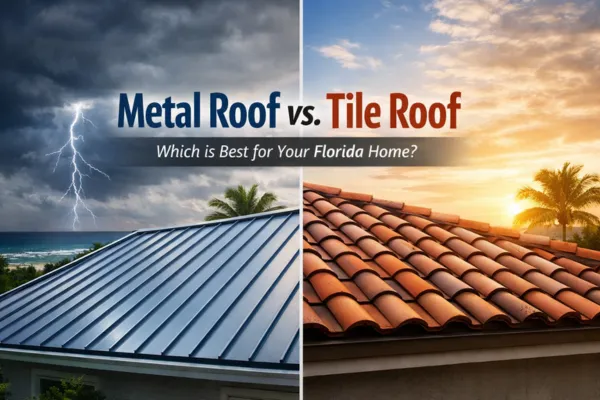
Metal Roof vs Tile Roof: Which is Best for Your Florida Home?
When it’s time to replace your roof, choosing the right material is one of the most important decisions you’ll make. For Florida homeowners, the choice often comes down to metal vs. tile roofing both of which offer unique benefits. But with Florida’s harsh climate, which one truly provides the best protection, energy efficiency, and long-term value for your home?
Metal roofs are known for their durability, wind resistance, and energy efficiency, while tile roofs bring timeless beauty and superior insulation. So, which one is right for your Florida home?
At G&R Windows, Doors & Roofing, we specialize in both roofing options, helping homeowners choose the best fit for their needs. Whether you’re considering the modern strength of metal or the classic elegance of tile, we’ll guide you through the decision-making process.
In this article, we’ll break down the pros and cons of metal vs. tile roofs and help you make an informed choice for your home.
Key Differences Between Metal and Tile Roofs
What is a Metal Roof?
A metal roof is crafted from a variety of materials, including steel, aluminum, and copper, designed to provide exceptional durability and longevity. Known for its strength, it resists elements like wind, rain, and hail, making it an ideal choice for regions prone to severe weather, such as Florida. Metal roofing materials can come in various finishes, including standing seam, shingles, or corrugated panels, offering homeowners a range of styles to suit different architectural preferences. Metal roofs are fire-resistant and have energy-efficient properties, reflecting heat to keep homes cooler in hot climates, thereby lowering cooling costs.
What is a Tile Roof?
Tile roofs are traditionally made from clay or concrete, creating a natural and timeless look. Tiles are installed in overlapping rows, providing durability and excellent water resistance. Clay tiles are known for their insulating properties, maintaining a balanced temperature inside homes. Tile roofing is particularly popular in coastal areas, where its aesthetic appeal and functional benefits, such as energy efficiency and fire resistance, are valued. Tile roofs are often associated with Mediterranean-style homes, providing a unique and classic curb appeal.
Durability and Lifespan Comparison
Metal Roof Durability in Florida
Metal roofs are highly durable and capable of enduring Florida’s extreme weather. The roofing material is resistant to wind damage, making it the ideal choice for areas that frequently experience hurricanes or tropical storms. With proper maintenance, metal roofs can last 40-70 years, outperforming traditional roofing materials. Metal roofing is also resistant to moss and mildew growth, common issues in Florida’s humid climate. Given the resilience of metal roofs, they offer excellent protection from both rainstorms and heat.
Tile Roof Durability in Florida
Tile roofs, while durable, have a different set of benefits in terms of durability. While they are resistant to mold and rot, they can be more vulnerable to cracking under high-impact conditions, such as falling tree limbs during storms. Clay tiles are more durable than concrete tiles, but both types can offer a lifespan of 50 years or more when maintained properly. However, tile roofs in Florida’s humid climate require regular maintenance to prevent water accumulation and debris buildup, which can lead to cracks or leaks.
Performance Under Florida’s Climate and Weather
Wind Resistance and Hurricane Performance
In Florida, wind resistance is a crucial factor when selecting a roofing material due to the frequent hurricanes. Metal roofs are highly wind-resistant, withstanding winds of up to 140 mph, making them a preferred choice for homes in hurricane-prone areas. The smooth surface of metal roofing allows winds to flow over them without causing significant damage.
In contrast, tile roofs are more prone to wind damage. While they are still durable, their interlocking system can sometimes be compromised by high winds, causing tiles to become loose or break. Ensuring proper installation is key to ensuring the durability of tile roofs during hurricanes.
Heat and Humidity: Energy Efficiency in Florida
The heat and humidity of Florida make energy efficiency a top priority for homeowners. Metal roofs excel in this regard, reflecting up to 80% of solar energy, helping to keep homes cooler and reduce reliance on air conditioning. With reflective coatings and cool roof technology, metal roofing helps lower energy bills and improves indoor comfort.
Tile roofs, particularly clay tiles, also offer thermal insulation, allowing homes to stay cooler in the summer by absorbing and releasing heat slowly. However, metal roofs generally have the edge in energy efficiency, particularly in Florida’s intense summer heat.
Maintenance, Repairs, and Upkeep
Maintenance for Metal Roofs
Maintaining a metal roof is relatively simple, requiring only occasional checks for damage or rust. Metal roofs are typically low-maintenance, and with proper installation, they need very little attention over the years. Homeowners should inspect the roof for loose fasteners, rust spots, or debris buildup, particularly after severe weather. Keeping gutters clear and checking for signs of wear will prolong the lifespan of a metal roof.
Maintenance for Tile Roofs
Tile roofs require more maintenance than metal roofs. Regular inspection for cracked tiles, debris, or dirt buildup is essential to avoid water penetration and ensure longevity. Clay tiles are more resilient, but they can become cracked over time, especially during storms. Tile roofs also need to be cleaned periodically to prevent moss growth, which can weaken the tiles and cause damage.
Installation and Structural Considerations
Installation Cost Comparison
When it comes to installation, metal roofs tend to have a higher upfront cost, ranging from $5 to $12 per square foot. This is largely due to the material cost and the complexity of installation. However, metal roofing offers a lower lifetime cost due to its durability and minimal maintenance needs.
Tile roofs, while initially cheaper than metal roofs, often cost between $6 to $10 per square foot, depending on the material (clay or concrete). However, their installation can be more labor-intensive, as the tiles must be carefully laid out and sealed to prevent leaks. Tile roofs also require a more substantial structural support to accommodate their weight.
Structural Requirements for Metal vs Tile Roofs
Both metal roofs and tile roofs require a solid framework, but the weight of tile roofs can put additional strain on the roof structure. For tile roofing, the underlying structure must be capable of supporting the added weight of the tiles, especially for clay tiles, which are heavier than concrete. In contrast, metal roofs are much lighter, which makes them easier to install and requires fewer structural modifications.
Style, Aesthetics, and Curb Appeal
Metal Roof Aesthetic Appeal
While metal roofs were once limited to industrial applications, they have evolved into a popular choice for residential homes. Available in a range of colors and finishes, metal roofs can mimic the appearance of traditional roofing materials, such as slate or shingles, while offering superior performance. The sleek, modern look of metal roofing can significantly enhance a home’s curb appeal, especially when paired with contemporary architecture.
Tile Roof Aesthetic Appeal
Tile roofs are widely regarded for their timeless beauty, especially in Mediterranean, Spanish, or Tuscan-style homes. The natural, rustic appeal of clay tiles adds charm and character, increasing the aesthetic value of any property. Available in a variety of colors and shapes, tile roofs can be tailored to match any design style, offering both beauty and durability.
Cost vs Long-Term Value
Installation Costs: Metal vs Tile
As previously mentioned, the initial installation cost of metal roofs is higher than tile roofs due to the materials and labor involved. However, metal roofs can save homeowners significantly in the long term due to their low maintenance costs, energy efficiency, and long lifespan. In comparison, tile roofs may have a lower initial cost but can require more frequent repairs and maintenance.
Long-Term Value and ROI
While metal roofs come with a higher upfront cost, their long-term value is superior, particularly in areas like Florida where extreme weather can take a toll on traditional roofing. Metal roofs often pay for themselves in energy savings, insurance discounts, and maintenance savings. Tile roofs, although beautiful and durable, may not provide the same level of return on investment due to their higher maintenance needs and installation complexity.
Environmental Impact and Sustainability
Metal Roofing Sustainability
Metal roofs are considered one of the most eco-friendly roofing options. They are 100% recyclable, and many metal roofing materials are made from recycled content. Additionally, metal roofs contribute to energy efficiency, reducing the carbon footprint of a home. Their longevity also means fewer materials end up in landfills.
Tile Roofing Sustainability
While tile roofs are also durable and can last up to 50 years or more, they are not as recyclable as metal roofs. However, clay tiles are made from natural materials and require minimal processing, making them an environmentally friendly choice. Tile roofs are also energy-efficient due to their insulating properties, contributing to sustainable living.
Making the Right Choice for Your Florida Home
Local Considerations and Building Codes
When choosing between metal and tile roofing, it's important to consider local building codes and regulations. Florida's building codes require roofs to withstand hurricane-force winds, which both materials can accommodate, but the installation methods for each vary. It’s also vital to ensure your home meets the necessary structural requirements based on the roofing material.
Choosing Based on Your Home Type and Budget
The final decision should be based on your budget, the style of your home, and your long-term goals. Metal roofs offer a high return on investment and are more cost-effective in the long term. However, tile roofs may be a better choice for homeowners looking for traditional aesthetics and a lower initial investment. Consider the climate, maintenance needs, and energy efficiency when making your final choice.
Final Thoughts: Which Roof is Best for Your Florida Home?
Choosing the right roof for your Florida home is a balance of durability, energy efficiency, and aesthetic appeal. Metal roofs offer superior protection against severe weather, energy savings, and low maintenance, making them an excellent long-term investment. On the other hand, tile roofs provide timeless beauty, effective insulation, and long-lasting durability, especially suited for homes with a Mediterranean style.
Ultimately, your choice will depend on your home’s specific needs, budget, and design preferences. At G&R Windows, Doors & Roofing, we specialize in providing high-quality roofing solutions tailored to Florida’s unique climate. Whether you’re looking for metal roofing or tile roofing, our expert team is here to guide you every step of the way. Visit our website or contact us today to explore how we can enhance your home’s value and performance with our premium roofing options.
