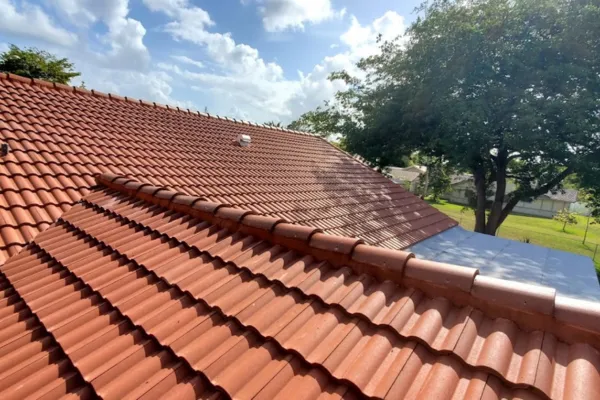
Do You Need a Permit for Roof Replacement in Florida?
Yes, a permit is required for roof replacement in Florida. The Florida Building Code mandates a roofing permit and inspections for every full roof replacement statewide. Minor repairs may be exempt depending on your city, but a complete tear-off and re-roof always needs a permit, typically pulled by your licensed roofing contractor.
At G&R Doors, Windows & Roofing, we pull these permits for our customers every week, and we've learned that the permit process protects homeowners far more than it inconveniences them.
If you're planning a roof replacement in Hialeah or anywhere in Miami-Dade, Broward, or Palm Beach County, here's exactly how permits and inspections work, who handles them, and what happens if a contractor tries to skip them.
Table of Contents
When Do You Need a Roofing Permit in Florida?
Why Roofing Permits Matter in Florida
The Roof Replacement Inspection Process in Florida
Who Pulls the Permit: You or Your Contractor?
Hialeah and Miami-Dade: The Rules Get Stricter Here
What Happens If You Replace a Roof Without a Permit?
Documents Every Homeowner Should Keep
Homeowner Checklist Before Starting a Roof Replacement
Ready to Replace Your Roof the Right Way?
Is a permit required for roof replacement in Florida?
How long does a roofing permit take?
When Do You Need a Roofing Permit in Florida?
The short version: replacing a roof always needs a permit. Small repairs sometimes don't.
Florida's rules draw a line between roof replacement (tearing off and installing a new roofing system) and minor repairs (patching a small damaged area). A full replacement requires a permit everywhere in the state. Minor repairs may not, but the threshold for what counts as "minor" varies by city and county, so it's worth a quick call to your local building department before assuming you're exempt.
Here's how it typically breaks down:
One thing we tell every homeowner: when a repair grows, so does the paperwork. What starts as a small patch can turn into a permitted job once the roofer opens things up and finds rotted decking underneath. A licensed contractor will stop and pull the proper permit. An unlicensed one will keep nailing.
Why Roofing Permits Matter in Florida
A roofing permit Florida homeowners sometimes see as red tape is actually one of the strongest consumer protections in the state. Here's what it does for you.
It forces code compliance. Your new roof has to meet the current Florida Building Code, which includes some of the strictest wind-load requirements in the country. Permitted work is checked against those standards. Unpermitted work is checked against nothing.
It protects your insurance coverage. After a hurricane, insurers look closely at how a roof was installed. If your roof was replaced without a permit and it fails in a storm, your claim can get complicated fast. Some carriers will deny coverage outright for unpermitted work.
It matters when you sell. Unpermitted roof work has a way of surfacing at the worst possible time, usually during a buyer's inspection or a title search. We've talked with homeowners who had to reopen closed permits or redo work entirely before a sale could move forward. That's an expensive way to save a permit fee.
It documents your roof's real age. Insurance companies and appraisers rely on permit records to verify when a roof was installed. No permit, no proof.
The Roof Replacement Inspection Process in Florida
Every permitted roof replacement inspection Florida requires follows a similar rhythm, and we walk our customers through it before we start.
1. Permit approval. Before any work begins, the permit application goes to your local building department along with product information and, in South Florida, the product approvals for the materials being installed.
2. In-progress (dry-in) inspection. Once the old roof comes off and the underlayment goes down, an inspector checks the decking, fastening pattern, and underlayment installation. This is where problems get caught early. On South Florida re-roofs, inspectors pay close attention to nailing patterns and deck attachment, because that's what keeps a roof on the house at hurricane wind speeds.
3. Final inspection. After the roofing material is installed, the inspector verifies the finished system matches the approved plans and products. Flashing, ridge details, and edge metal all get a look.
4. Permit close-out. Once the final inspection passes, the permit is closed. That closed permit becomes part of your home's official record, and you'll want a copy of it.
The inspections don't slow a job down much when the work is done right. They only become a problem when corners were cut.
Who Pulls the Permit: You or Your Contractor?
In almost every case, your roofing contractor should pull the permit, and there's a good reason for that.
When a licensed roofing contractor Florida law recognizes pulls the permit, that contractor takes legal responsibility for the work. When a homeowner pulls their own permit (called an owner-builder permit), the homeowner takes on that responsibility, including liability for anyone working on the roof. If a contractor ever asks you to pull the permit yourself, treat it as a red flag. It usually means they can't pull it, either because they're unlicensed or their license has a problem.
Before hiring anyone, verify their license on the Florida DBPR website. It takes two minutes. You can look up our license (#CGC1531617) right now and see it's active and in good standing.
As a licensed roofing contractor in Hialeah, we handle the entire permit process for our customers: the application, the product documentation, scheduling every inspection, and closing the permit out at the end. You never touch a form.
Hialeah and Miami-Dade: The Rules Get Stricter Here
If your home is in Miami-Dade or Broward County, your roof replacement falls under the High-Velocity Hurricane Zone (HVHZ) provisions of the Florida roofing code. This is the toughest roofing standard in the United States, written after Hurricane Andrew showed what happens when roofs aren't built for extreme wind.
Two things make HVHZ projects different:
Product approvals (NOAs). Roofing materials installed in Miami-Dade must carry a Notice of Acceptance, which means the product passed Miami-Dade County's own testing for wind and impact resistance. Not every shingle or tile sold in Florida qualifies. At G&R Doors, Windows & Roofing, everything we install in Hialeah carries the required Miami-Dade approvals, and copies of those NOAs go into your permit file.
Stricter installation requirements. Fastening schedules, underlayment systems, and edge securement are all held to a higher standard in the HVHZ than in the rest of the state.
Requirements can differ slightly between the City of Hialeah, unincorporated Miami-Dade, and neighboring municipalities, so we always confirm the specifics with the local building department before submitting a roof replacement permit Hialeah project requires. We'd recommend any homeowner (or any contractor) do the same.
What Happens If You Replace a Roof Without a Permit?
We get this question a lot, usually from someone who received a suspiciously cheap quote from a contractor who "doesn't bother with permits." Here's what that decision can cost you:
Fines and stop-work orders. Building departments can halt the project mid-job and issue penalties, often several times the original permit cost.
Forced re-work or removal. If unpermitted work doesn't meet code, you can be required to open it up for inspection or tear it off and start over.
Insurance problems. Damage tied to unpermitted work can jeopardize a claim, and some insurers will not renew a policy on a home with open violations.
Trouble selling your home. Unpermitted roof work routinely surfaces during real estate transactions and can stall or kill a closing.
No accountability. Without inspections, nobody ever verified that your roof can survive the storm it was supposedly built for.
None of this is legal advice, just what we've seen play out for homeowners over the years. The permit is the cheap part of the project. Skipping it is what gets expensive.
Documents Every Homeowner Should Keep
When your roof replacement is finished, keep a folder (paper or digital) with:
A copy of the roofing permit and proof it was closed
Miami-Dade NOAs or Florida product approvals for the installed materials
Inspection records showing passed dry-in and final inspections
Your contractor's license number and insurance certificate
Your warranty documents, both manufacturer and workmanship
That folder is gold when you file an insurance claim, shop for a new policy, or sell your home. We hand every customer a complete package at the end of the job so nothing has to be tracked down later.
Homeowner Checklist Before Starting a Roof Replacement
Run through this list before signing any roofing contract:
Verify the contractor's license on the Florida DBPR website
Confirm the contractor, not you, will pull the permit
Ask for proof of liability and workers' comp insurance
Ask whether the materials carry Miami-Dade NOAs (if you're in the HVHZ)
Get the scope of work, price, and warranty in writing
Confirm inspections are included in the timeline
Ask how debris removal and cleanup are handled
Request copies of the closed permit and inspection records at the end
If a contractor hesitates on any of these, keep shopping.
Ready to Replace Your Roof the Right Way?
A roof replacement permit Florida requires isn't an obstacle. It's your proof that the roof over your family's head was built to survive a hurricane, and that someone independent verified it.
At G&R Doors, Windows & Roofing, we've been protecting South Florida homes for over 15 years, and we handle every permit, product approval, and inspection from start to finish. Our roof replacement in Hialeah comes with a free estimate, $0 down financing options, and a 5-year parts and labor warranty, serving homeowners across Miami-Dade, Broward, and Palm Beach counties.
Have questions about your project? Reach out for a free roofing estimate and we'll walk you through the permit process for your specific city, no obligation and no pressure.
Frequently Asked Questions
Is a permit required for roof replacement in Florida?
Yes. The Florida Building Code requires a permit for every full roof replacement statewide, regardless of roofing material. Minor repairs may be exempt depending on your city or county's rules, but a complete tear-off and re-roof always needs a permit and inspections before the work is considered legal and complete.
Who pulls the roofing permit?
Your licensed roofing contractor should pull the permit in nearly all cases. When the contractor pulls it, they carry legal responsibility for the work meeting code. If a contractor asks you to pull an owner-builder permit for work they're performing, that's a warning sign, and we'd suggest verifying their license before going further.
How long does a roofing permit take?
Permit timelines vary by municipality and workload at the building department, ranging from a few days to a few weeks. In our experience, complete applications with proper product approvals move faster. We handle the paperwork for our customers and build the permit timeline into every project schedule, so there are no surprises.
What happens if you replace a roof without a permit?
You risk fines, stop-work orders, forced re-inspection or removal of the work, insurance claim denials, and serious complications when selling your home. Unpermitted roof work almost always costs more to fix later than the permit would have cost up front, which is why we never install a roof without one.
Are inspections required after roof replacement?
Yes. A permitted roof replacement in Florida typically includes an in-progress (dry-in) inspection and a final inspection. The inspector verifies the decking, fastening, underlayment, and finished roofing system meet the Florida Building Code. The permit isn't closed until the final inspection passes, and that closed permit becomes part of your home's record.
