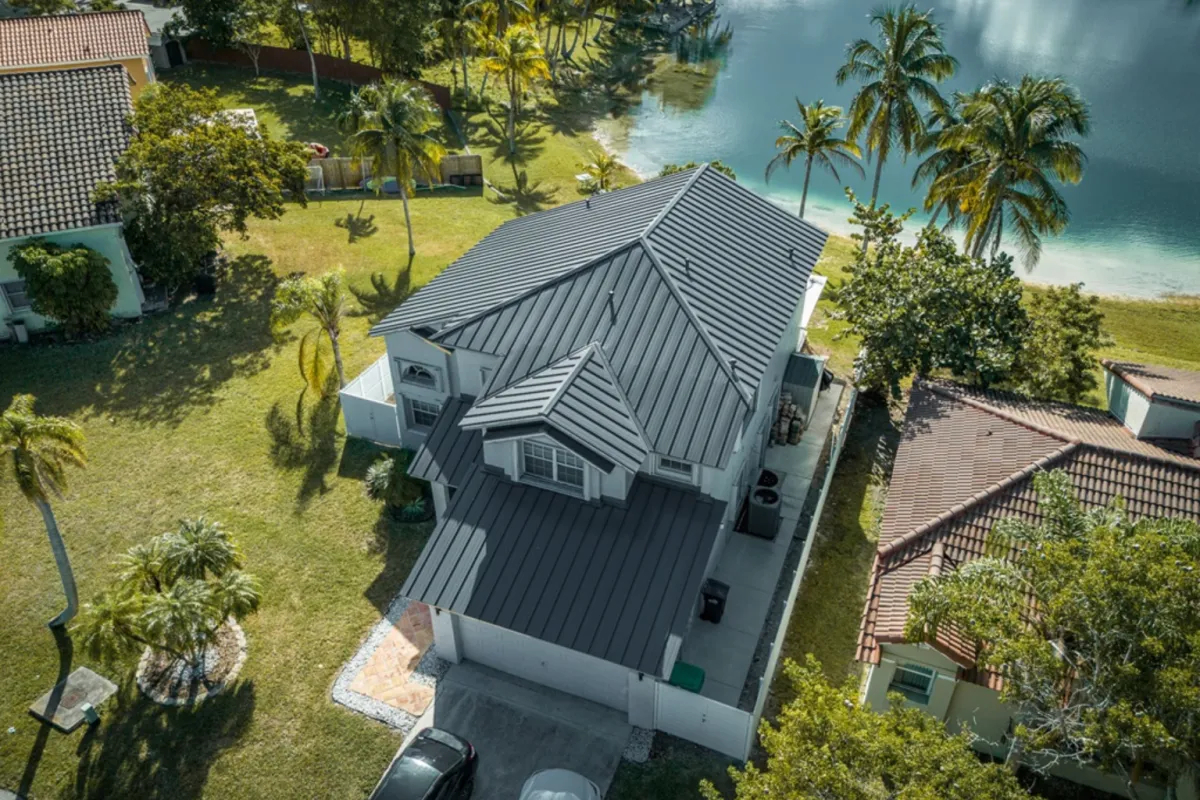
What Is a Slate Roof: Ultimate Guide to Installation
What Is a Slate Roof Installation and Care? If you're considering a new roof, you may have heard about slate roofing. So, what exactly is a slate roof? A slate roof is a durable and visually striking roofing option made from natural stone. It is known for its longevity, fire resistance, and ability to withstand harsh weather conditions. In fact, slate roofs can last well over 100 years, making them a top choice for homeowners seeking long-term protection.
Here’s a quick overview of what you’ll learn in this guide:
Benefits of choosing slate over other roofing materials
Step-by-step instructions on slate roof installation
How to properly care for and maintain your slate roof
Why slate roofs are perfect for coastal homes and storm-prone regions like Hialeah
Slate roofing is more than just an aesthetic choice. With proper installation and care, it offers a lifetime of protection. G & R Windows, Doors & Roofing helps homeowners understand all aspects of slate roofing, from installation to ongoing maintenance. In this article, we’ll dive into the key steps for installing a slate roof and keeping it in great condition for years to come.
What Is a Slate Roof and Why Choose It
Unlike many roofing materials, slate is a natural stone that is durable, fire-resistant, and incredibly long-lasting. If you're considering a roofing upgrade or a new installation, slate may be the perfect solution for its aesthetic appeal and exceptional performance in harsh conditions.
What Is Slate Roofing Made Of
Slate roofing is made from natural stone, typically sourced from quarries where it is split into thin layers. This material is formed through a combination of heat and pressure over millions of years. The result is a rock that is dense, strong, and water-resistant—ideal for roofing.
Slate’s natural composition makes it a superior material compared to common roofing options like asphalt roofing, metal roofing, and shingle roofing. It has the ability to withstand the elements, including extreme heat and cold, without warping or losing its structural integrity. This resilience is why many homeowners opt for slate when durability is a priority.
Key Benefits of Slate Roofing
Slate roofs are incredibly desirable for their longevity, as they can last over a century with minimal maintenance. In addition to its long lifespan, here are some other key benefits:
Durability: Resistant to wind, hail, and even fire.
Fire Resistance: A non-combustible material that adds an extra layer of safety to your home.
Eco-Friendliness: Slate is a natural material with a low environmental impact. It’s a sustainable option for eco-conscious homeowners.
Aesthetic Appeal: Slate roofs have a timeless look that enhances the curb appeal of any home, making them highly desirable in regions like Hialeah, Florida, where homes often need to withstand severe weather conditions.
Whether you're in Miami-Dade or a high-wind region, a slate roof is a durable and aesthetically pleasing choice for long-term protection.
The Slate Roof Installation Process Explained
Installing a slate roof requires careful planning and precise craftsmanship. The process involves more than just laying tiles on a roof-it requires a robust structure and special tools to ensure the roof performs as expected over time.
Preparation and Planning for Installation
Before installation begins, it’s crucial to inspect the roof’s structure to ensure it can support the weight of the slate tiles, which are significantly heavier than other roofing materials like shingles or metal roofing. Structural reinforcement may be needed, particularly for homes with older framing. Additionally, selecting high-quality materials and slate types is essential, as the durability and appearance of the roof depend on this choice.
How to Install Slate Roofs Step by Step
Install Underlayment: Begin by laying a waterproof underlayment to protect against leaks and ensure a stable base.
Fix Slate Tiles: Slate tiles are then laid in overlapping rows, starting from the bottom. The tiles are secured with specialized nails or hooks designed for slate, ensuring they stay in place during extreme weather.
Tools Required: Proper tools for slate installation include a slate cutter, roofing hammer, and rubber mallet for precise placement.
Maintenance and Care for Your Slate Roof
Slate roofs are known for their long-lasting durability, but regular maintenance is essential to ensure they continue to perform at their best for decades. With proper care, your slate roof can easily last over 100 years, providing protection and enhancing the beauty of your home.
How to Clean and Inspect Your Slate Roof
Cleaning your slate roof is important for preventing debris buildup that can trap moisture and cause damage. Use a soft broom or garden hose to gently remove leaves and dirt. Regular inspections should include checking for cracks, broken slates, or any loose tiles. Always ensure that gutters are clear to prevent water damage and moss growth.
Repairing Slate Roofs and Common Issues
Slate is a tough material, but it can crack or become loose over time. If you notice broken slates, it’s important to replace them promptly. Use a slate hammer to gently tap in a replacement tile. If slates are loose, secure them with the proper slate nails to prevent them from dislodging during a storm.
How Often Should You Maintain Your Slate Roof
Slate roofs should be inspected at least once a year, ideally in the spring or after a storm. A professional roofer can also perform a more thorough inspection every 3 to 5 years to check for structural issues or signs of wear. Regular maintenance helps extend the lifespan of your slate roof and ensures it continues to protect your home.
Slate Roof vs Other Roofing Materials Which Is Best for You
Choosing the right roofing material is crucial for your home’s durability, aesthetic appeal, and long-term value. Here’s how slate roofing compares with other popular materials like asphalt shingles, metal roofing, and tile roofing.
Slate Roofing vs Asphalt Shingles
Slate roofs can last over 100 years, while asphalt shingles typically last 20-30 years. Slate is more expensive upfront, ranging from $10 to $30 per square foot, compared to asphalt shingles, which cost about $2 to $5 per square foot.
Performance: Slate offers superior durability, fire resistance, and storm protection, while asphalt is more vulnerable to wind damage.
Slate Roofing vs Metal Roofing
Both materials are long-lasting, but slate offers more resistance to extreme weather and fire. Slate provides a classic, elegant look, while metal roofing has a modern industrial appearance.
Maintenance: Metal roofs may require occasional repainting, whereas slate requires less upkeep over time.
Slate Roofing vs Tile Roofing
Slate is heavier, requiring a reinforced structure, while tile roofing is lighter. Slate is generally more expensive, with tile roofing priced in between slate and asphalt.
Maintenance: Slate requires less maintenance, while tile may need repairs due to cracks or shifting tiles over time.
Why Slate Roofing Is Perfect for Coastal Homes and Harsh Climates
Slate roofing is an ideal choice for homes in coastal areas and regions that experience harsh climates. Its durability and resilience make it well-suited to withstand salt air, heavy winds, and extreme weather conditions.
Coastal Home Protection With Slate Roofing
Slate roofs offer excellent protection against the corrosive effects of salty air in coastal environments. Its resistance to rust, corrosion, and degradation ensures your roof remains strong and intact, even in coastal regions with constant exposure to seawater.
Slate Roofs in Storm-Prone Regions
In storm-prone areas, slate roofs perform exceptionally well. They resist high winds, hail, and flying debris, which are common in places like Florida and the Gulf Coast. This makes slate a reliable, long-lasting roofing option for regions with frequent storms.
Slate’s Environmental Benefits
Slate is a natural and sustainable material. Unlike synthetic roofing products, slate doesn’t degrade over time and has minimal environmental impact during production. Its longevity reduces the need for frequent replacements, making it a greener choice compared to other roofing materials.
Final Thoughts
Slate roofs are a durable, aesthetic, and long-lasting investment that can significantly enhance the protection and value of your home. With a lifespan of over 100 years, slate provides superior defense against harsh weather, wind, and fire compared to other roofing materials. Its natural beauty adds timeless elegance to any home, making it a wise choice for both functionality and curb appeal.
Additionally, slate’s eco-friendly properties and low maintenance needs make it a sustainable, cost-effective option over the long term. Whether you're in a coastal home or a storm-prone area, slate roofing ensures your home remains safe and protected.
At G & R Windows, Doors & Roofing, we specialize in high-quality slate roof installations. Ready to upgrade your roof with lasting durability and style? Contact us today for a free consultation and see how slate can transform your home.
Frequently Asked Questions About Slate Roofing
Question: How Long Do Slate Roofs Last?
Answer: Slate roofs are incredibly durable and can last 100 years or more with proper maintenance. Factors that influence the lifespan include the quality of the slate, the installation process, and the local climate. In harsh weather conditions, such as coastal environments, slate’s longevity is even more advantageous due to its resistance to salt and wind damage.
Question: Are Slate Roofs Expensive to Maintain?
Answer: While slate roofs require minimal maintenance, they can be more expensive to repair than other roofing materials due to the need for specialized contractors and materials. However, their longevity means that overall maintenance costs are lower compared to materials that need frequent replacements. Annual inspections and occasional repairs to fix cracks or re-secure slates are typically sufficient.
Question: Are Slate Roofs Safe in Hurricanes?
Answer: Slate roofs are highly resistant to hurricane-force winds. The weight and durability of slate tiles make them less likely to be torn off during storms. Additionally, slate’s ability to resist wind-borne debris makes it a preferred option for hurricane-prone regions like Florida and the Gulf Coast.
Question: Can Slate Roofs Be Installed Over Existing Roofing?
Answer: In some cases, slate roofs can be installed over existing roofs, but the underlying structure must be able to support the weight of the slate. A professional inspection is needed to assess the strength of the current roof and determine if additional reinforcement is necessary.
Question: Are Slate Roofs Energy Efficient?
Answer: Slate’s natural insulation properties help maintain a more consistent indoor temperature. It reflects heat during the summer and retains warmth during the winter, making it a more energy-efficient roofing option compared to materials like asphalt shingles.
